
Athens
A journey between ancient heritage and modern life
3 days - All year round
From 350€
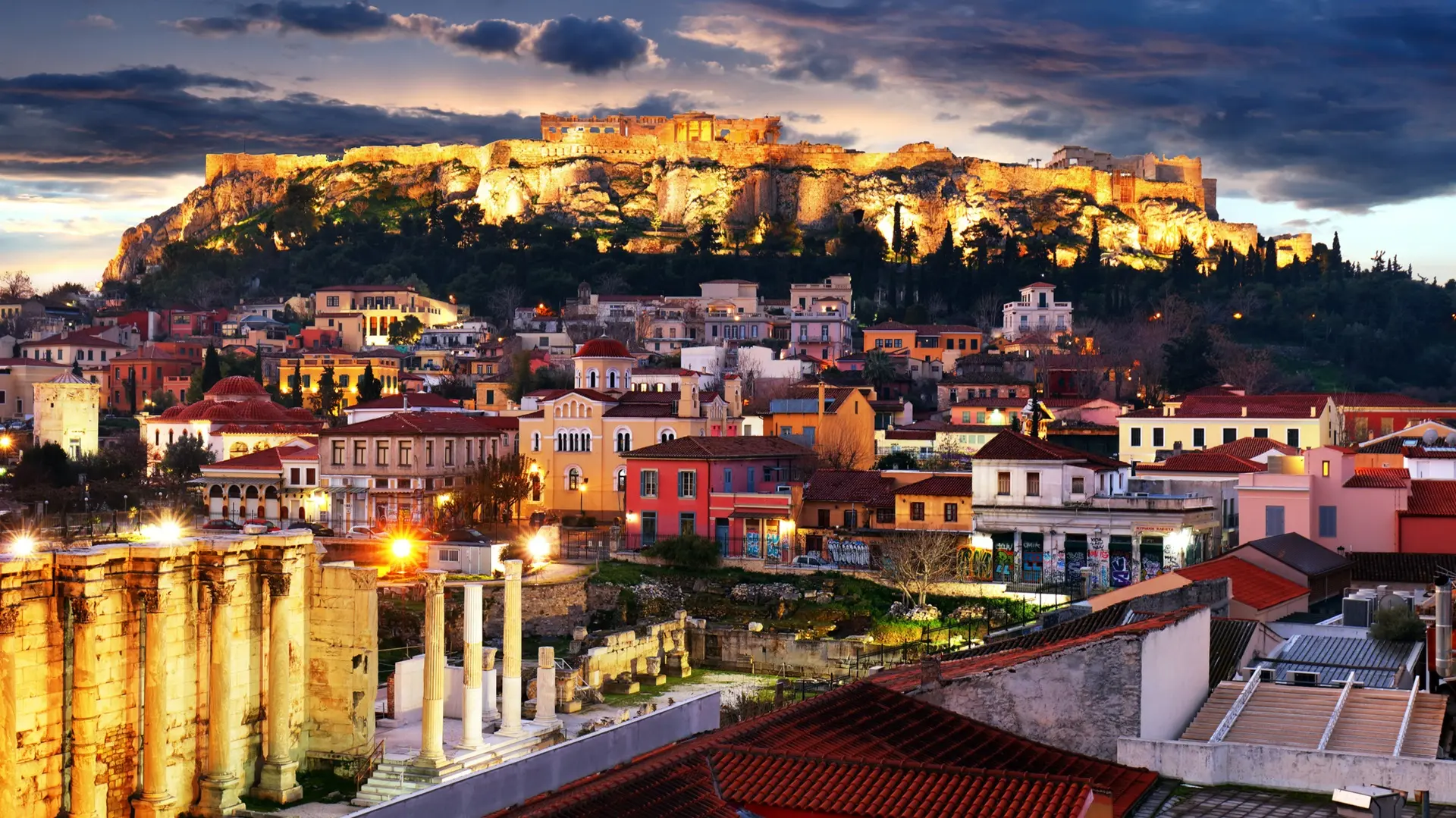
Combine your favourite destinations in mainland Greece with a 2-day or 3-day stay in Athens, the birthplace of democracy, arts, science and philosophy. Especially if this is your first time visiting Greece, Athens is a must-visit destination, offering unforgettable experiences all year round.
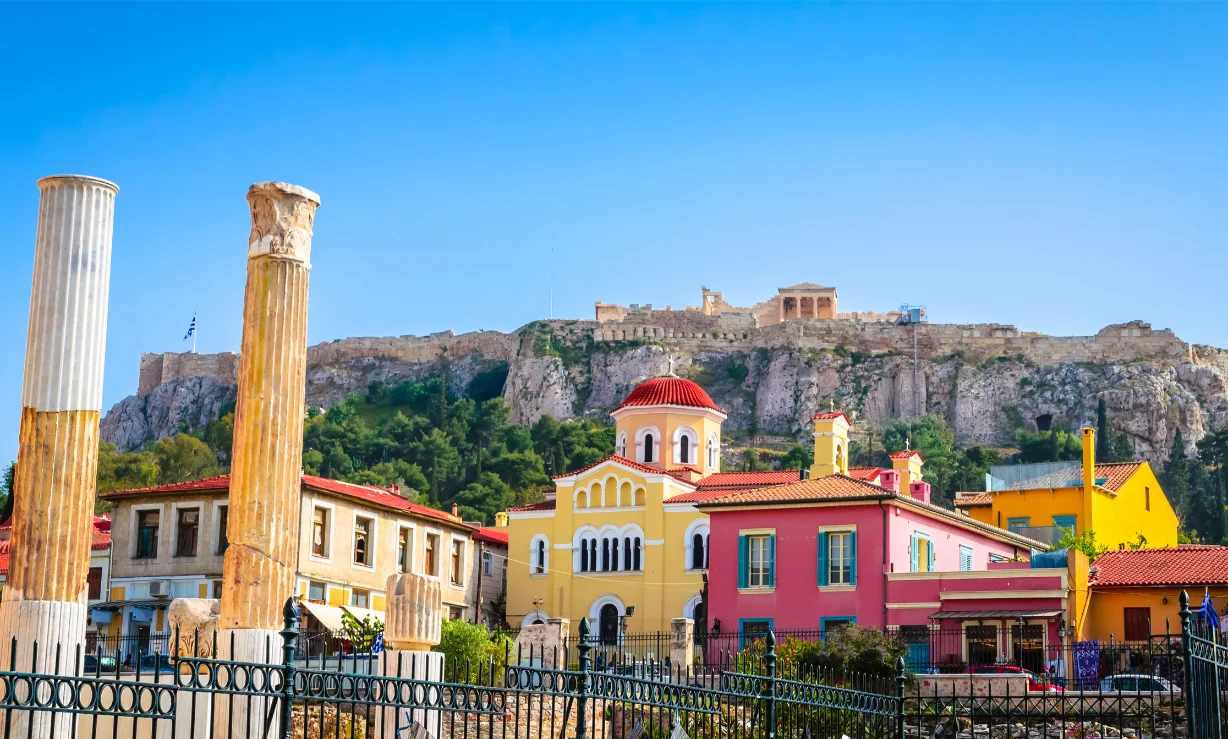
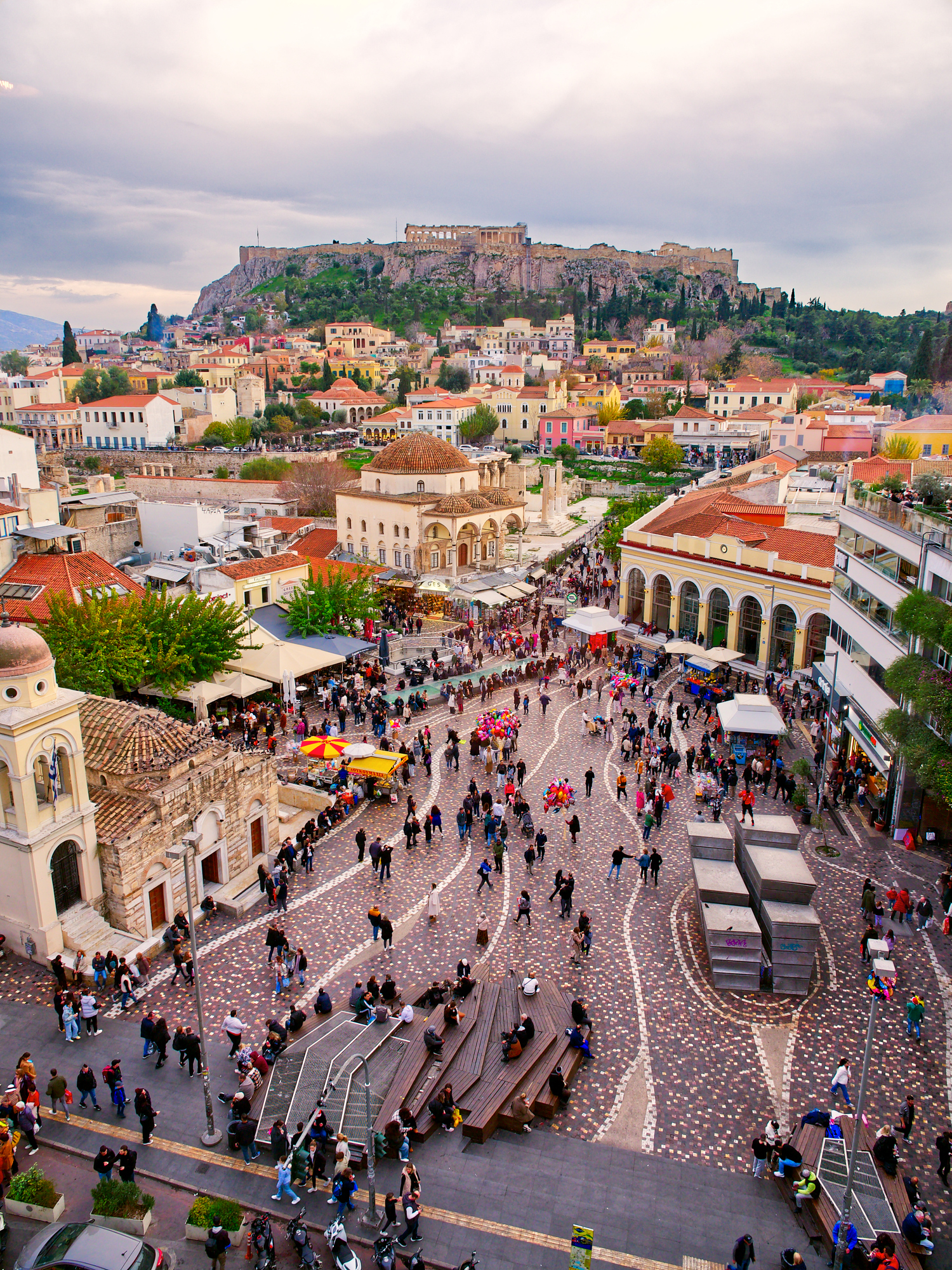
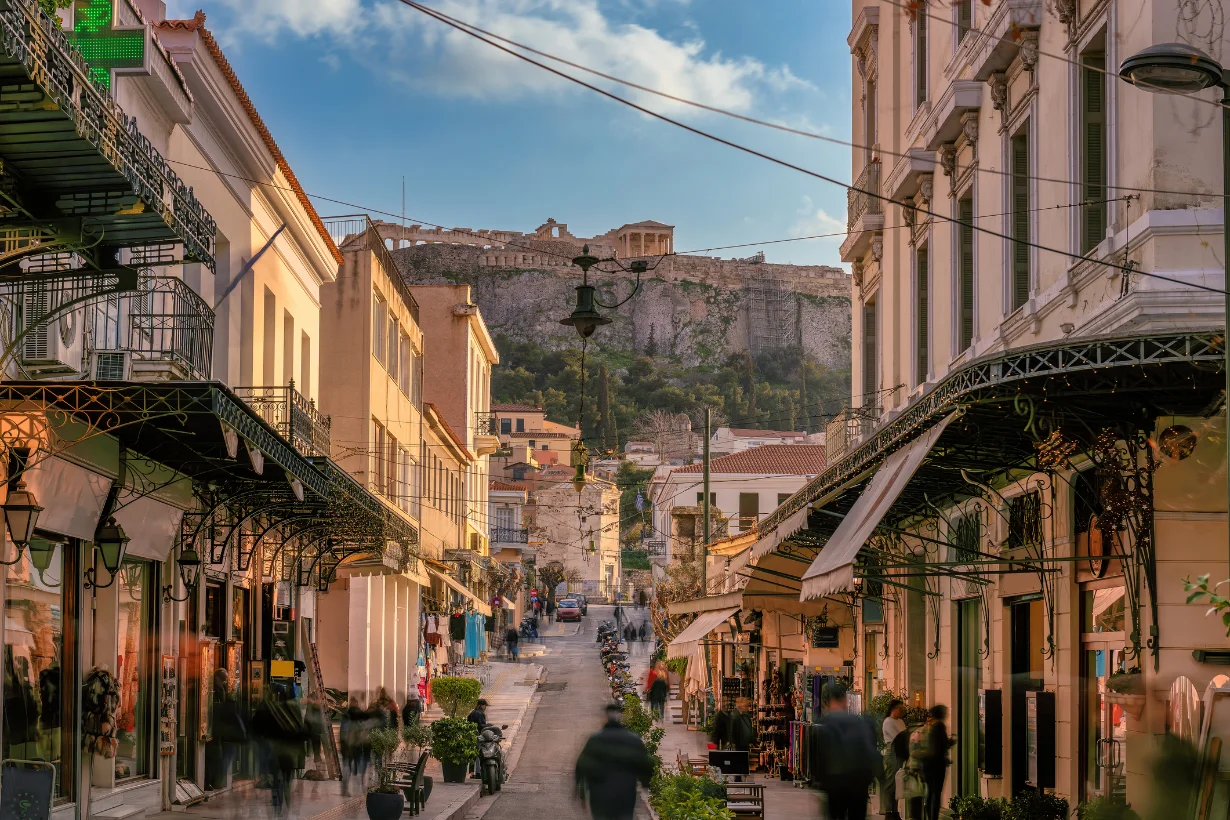
From the legendary Acropolis and the Acropolis Museum to the Ancient Agora and the picturesque neighborhoods of Plaka and Thissio, Athens seamlessly blends ancient history with vibrant urban life.
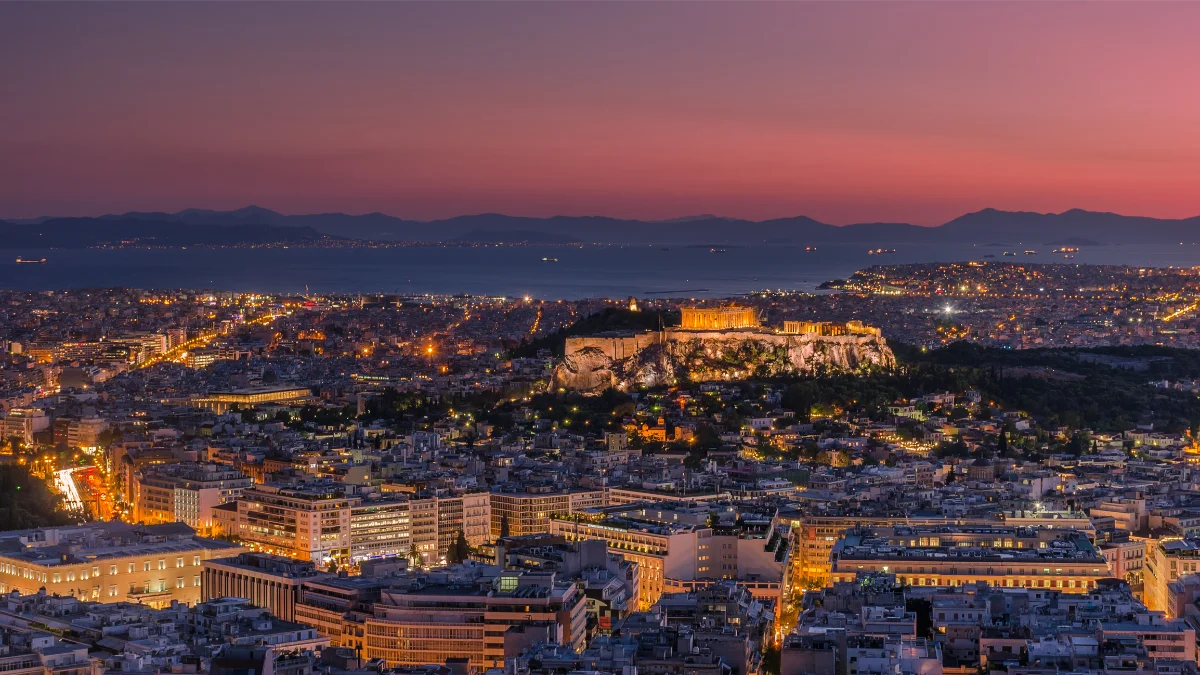
Enjoy panoramic city views at sunset from Filopappou Hill or Lycabettus Hill, explore world-class museums such as the National Archaeological Museum and the National Gallery, and follow one of the most scenic walks in Athens, passing beneath the Acropolis and the Odeon of Herodes Atticus.
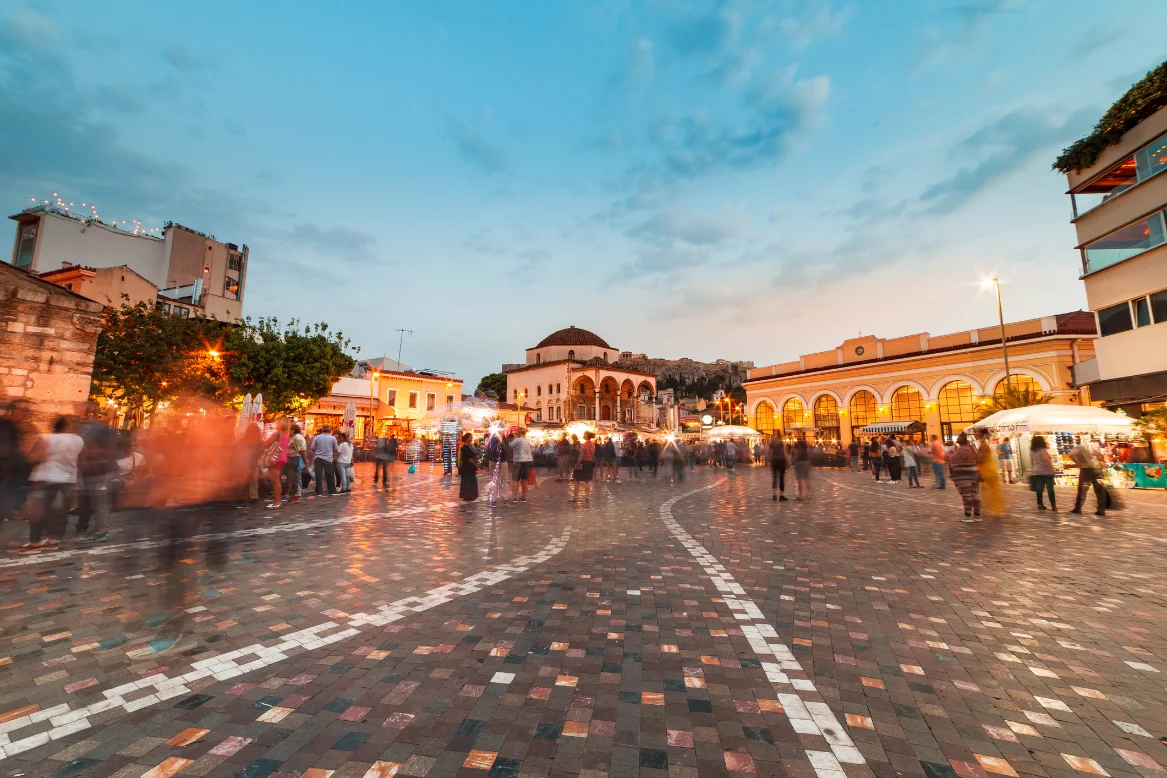
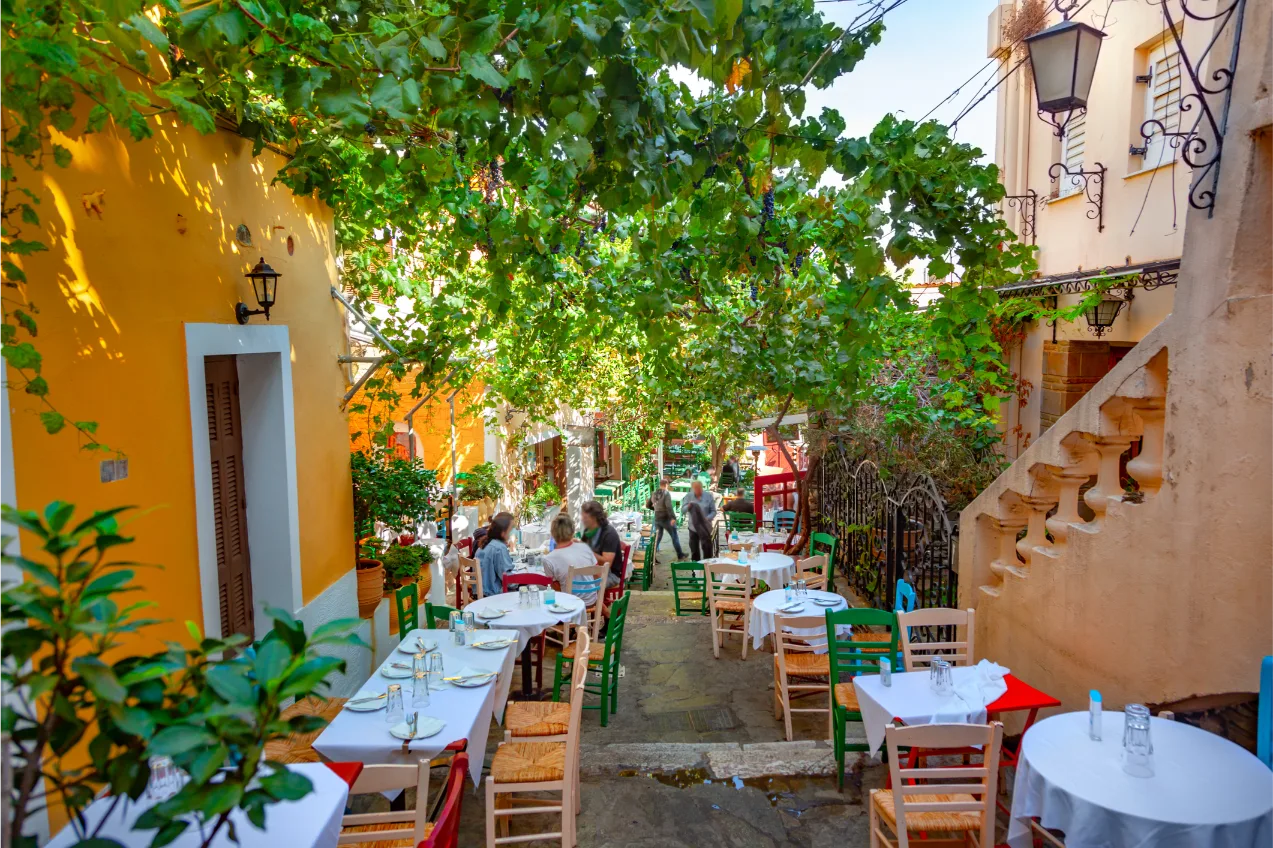
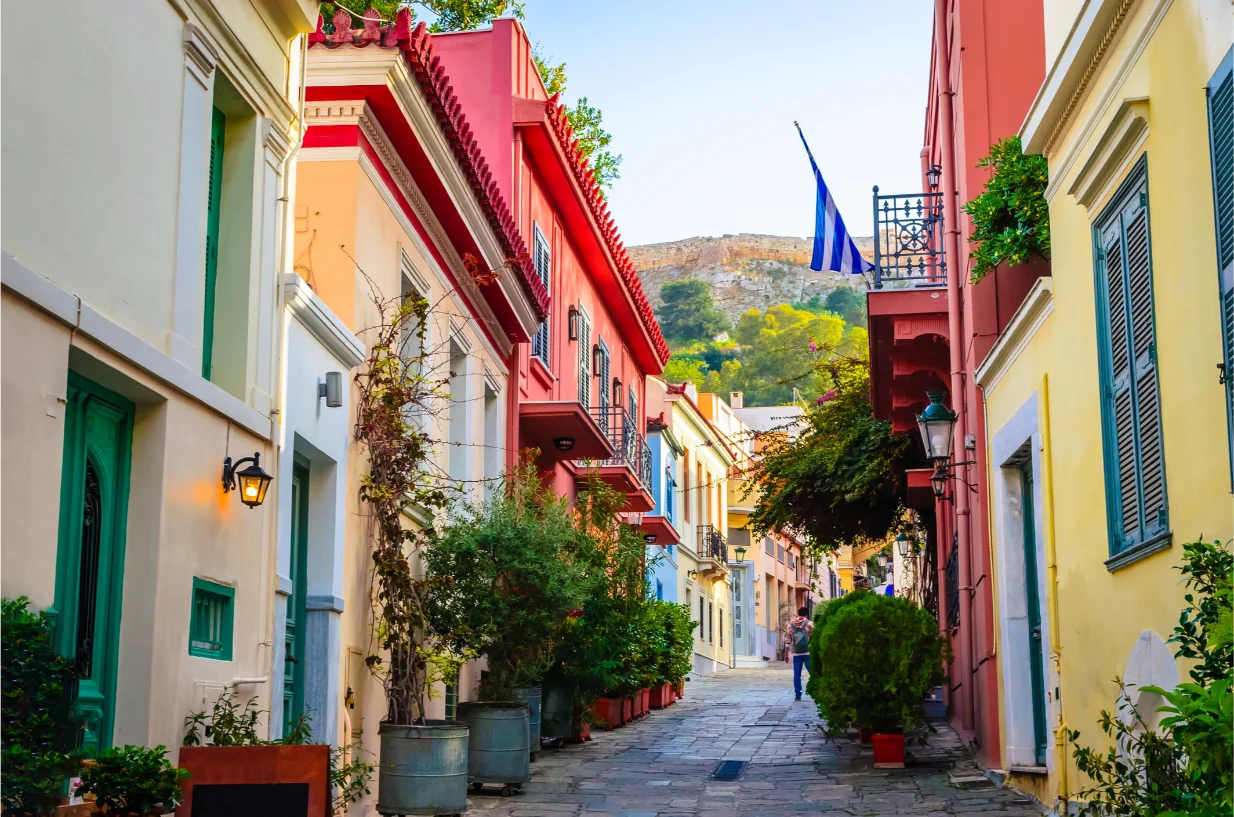
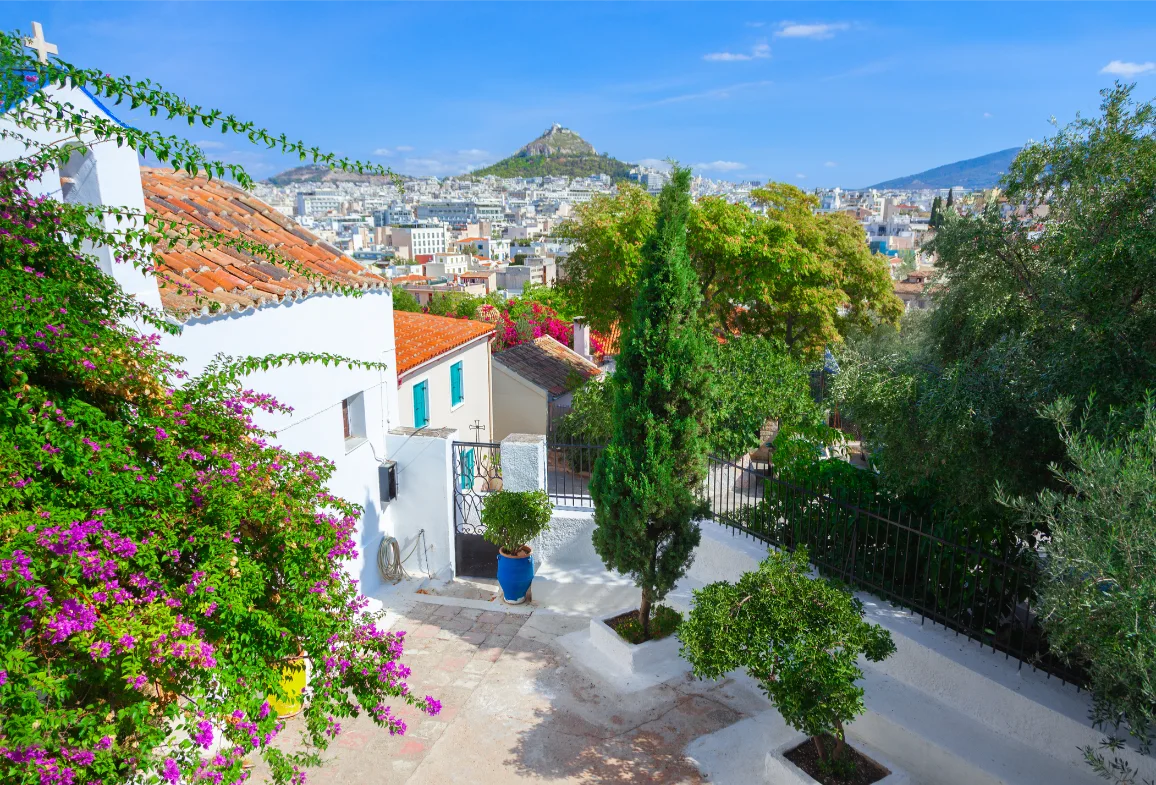
Wander through the city center, savour exceptional Greek food and experience the local atmosphere. Get lost in the narrow streets of Anafiotika and enjoy a Greek coffee on the famous stairs of Plaka.
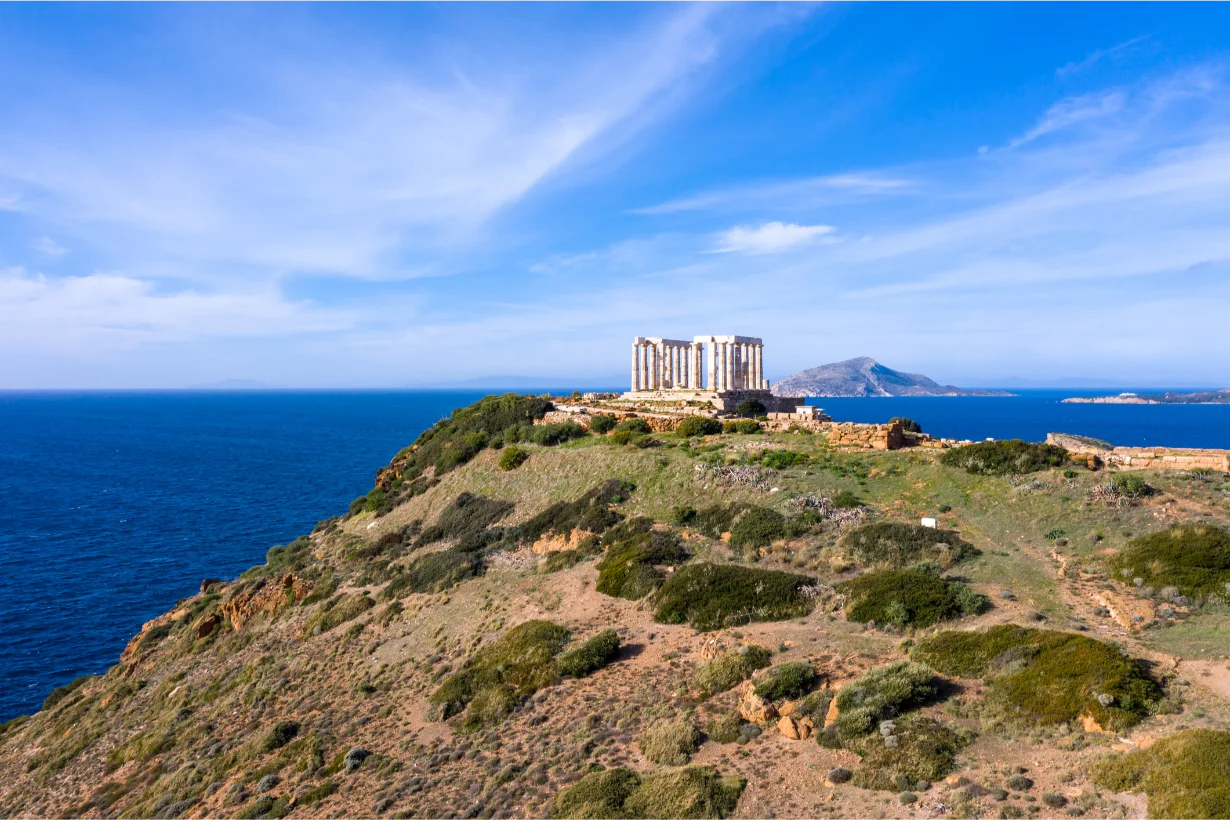
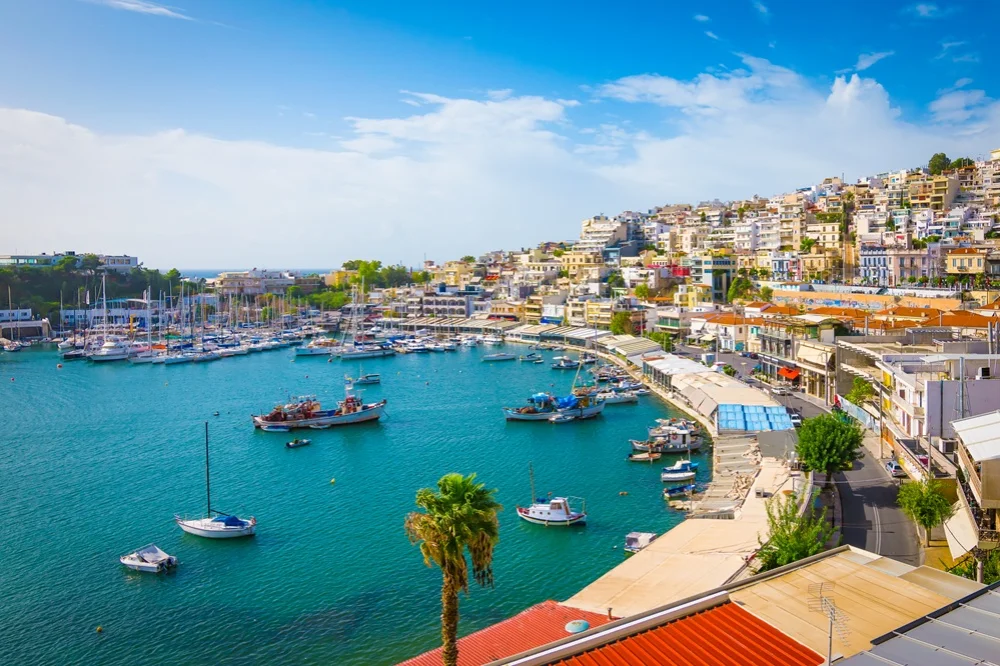
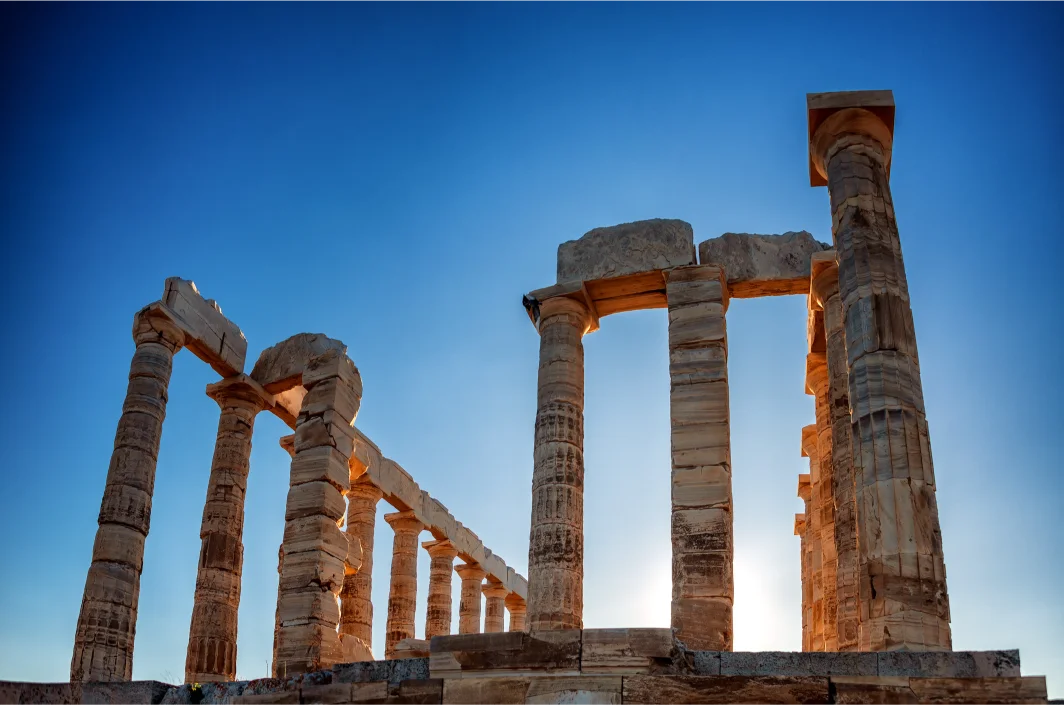
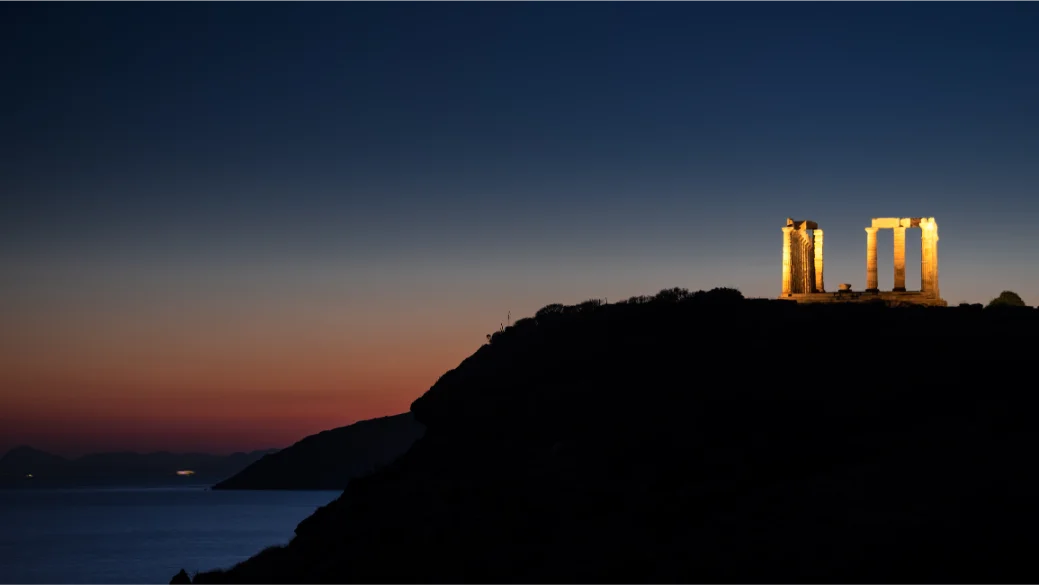
And if you love the combination of history and sea views, a day trip to Cape Sounion and the Temple of Poseidon, overlooking the Aegean Sea, is the perfect addition.
Three days in Athens: A meaningful introduction to its rich history, modern life, authentic flavours and friendly people.

Trip highlights
Acropolis
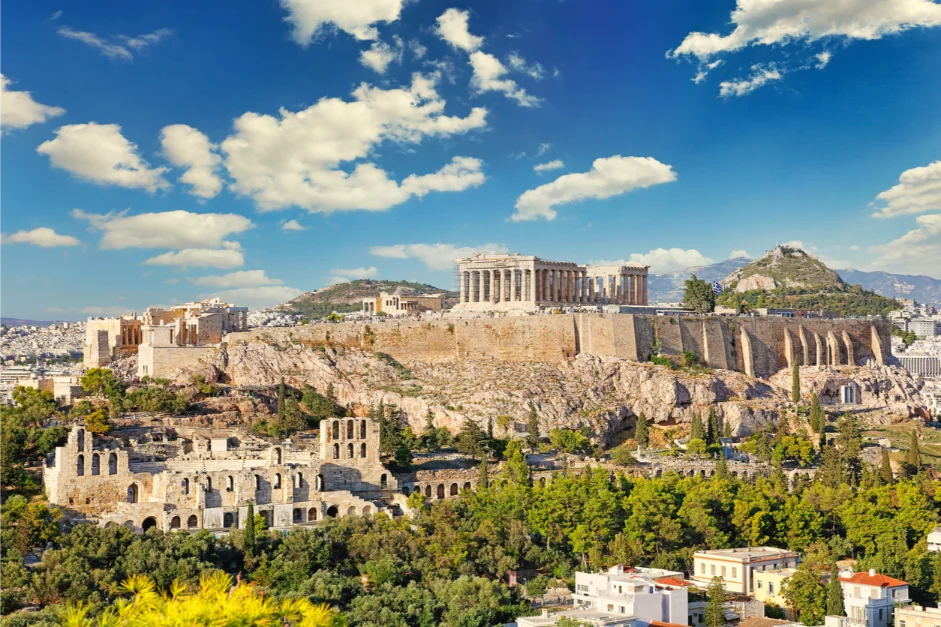
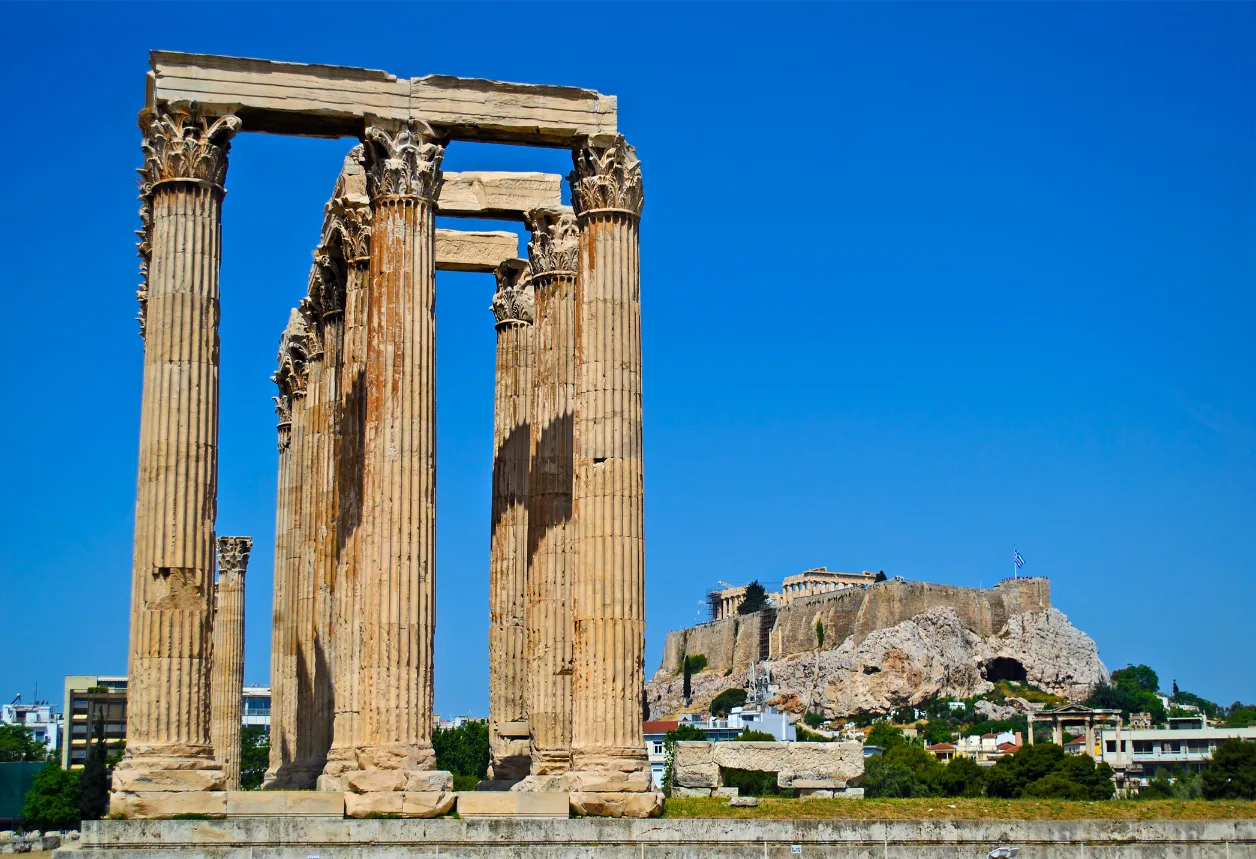
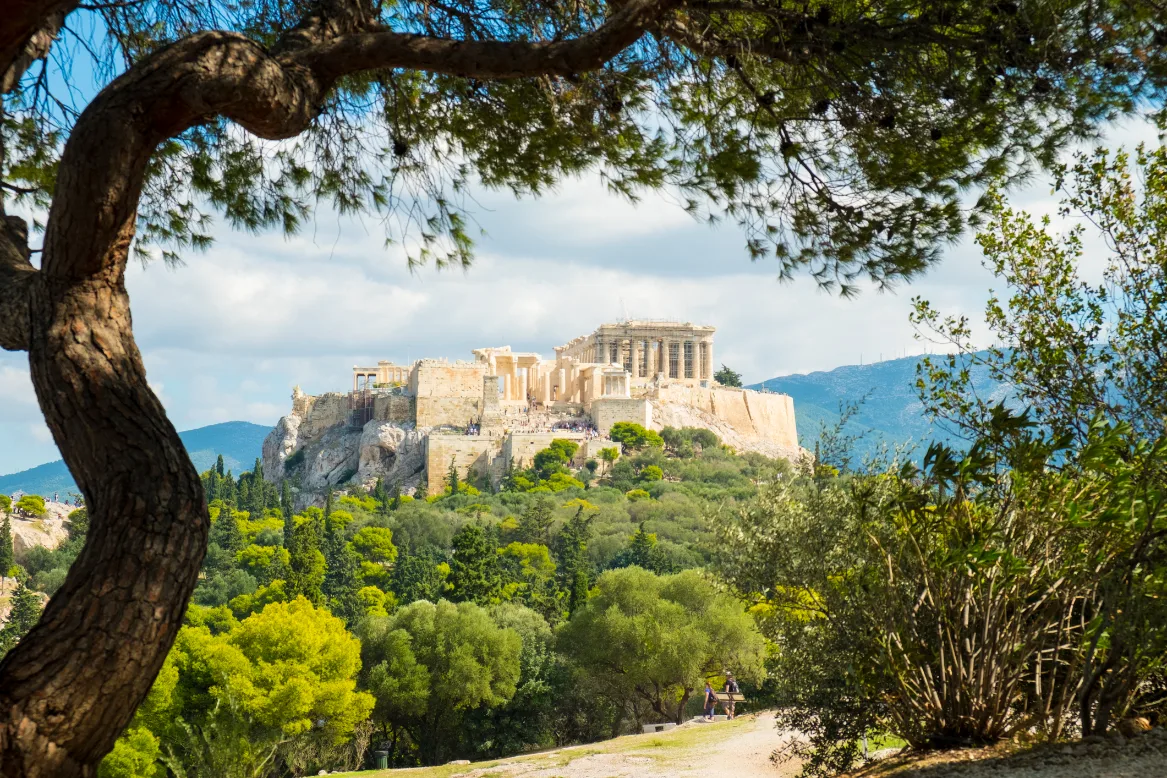
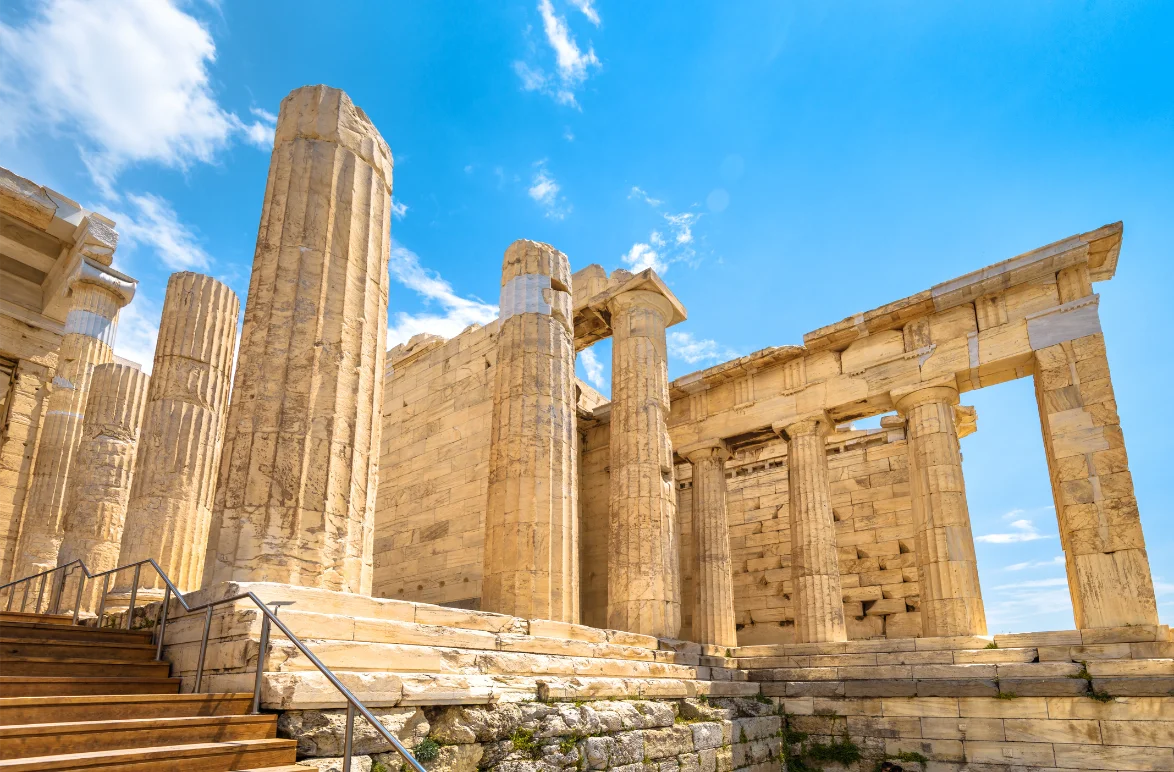
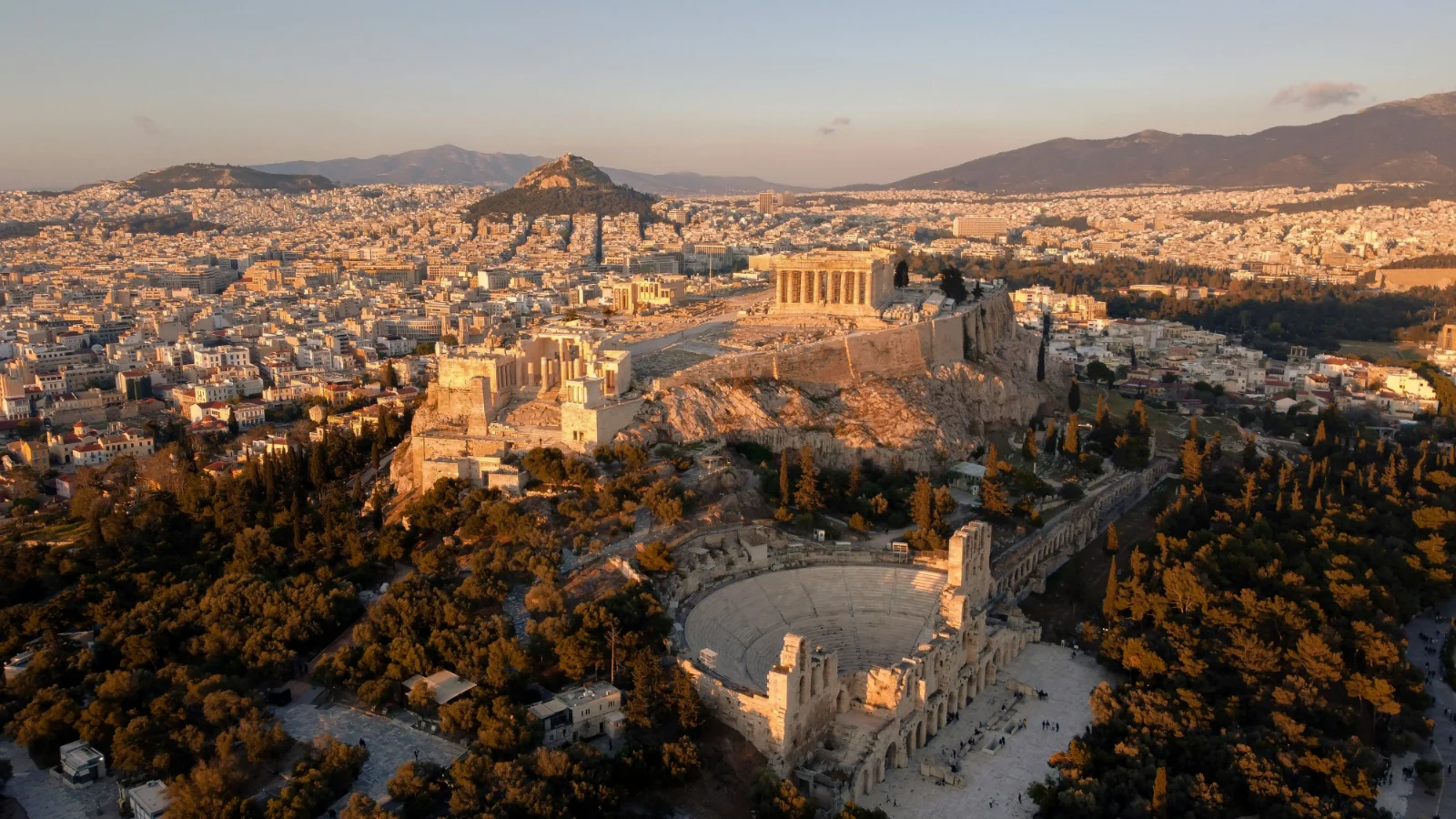
The Sacred Rock of the Acropolis rises majestically above the city of Athens, at a height of 157 meters, leaving you breathless every time you see it. The monuments of the Acropolis, dating back to the 5th century BC and built during the Golden Age of Pericles, are unique masterpieces of ancient architecture and art.
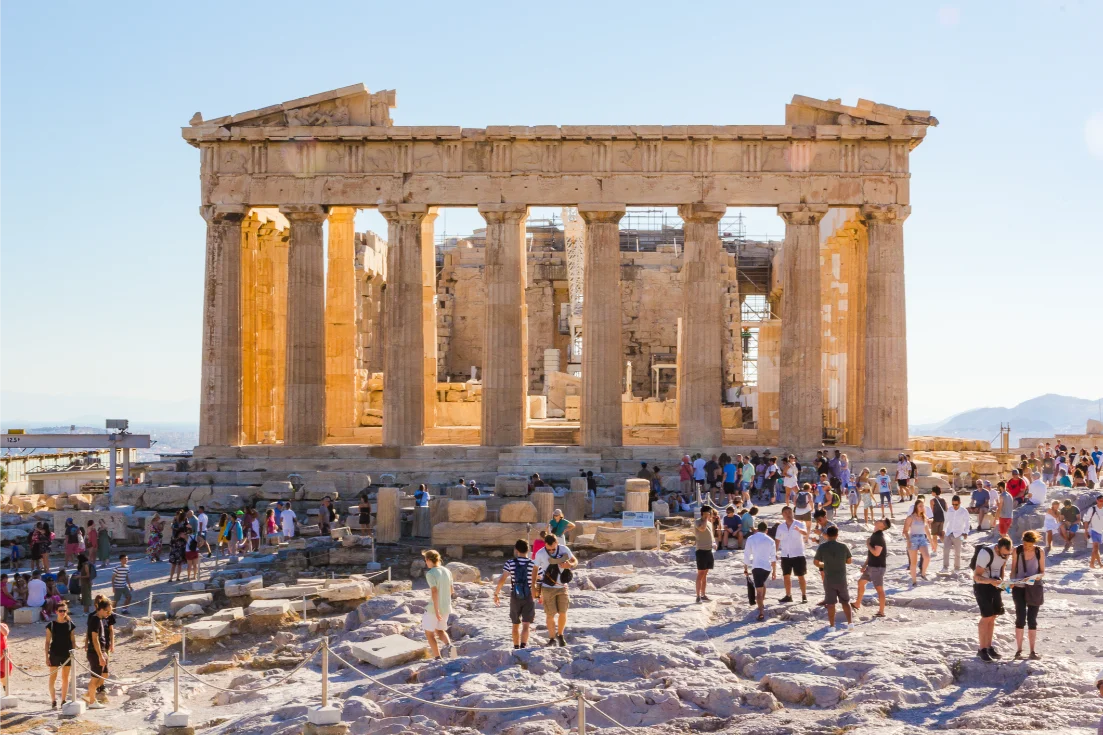
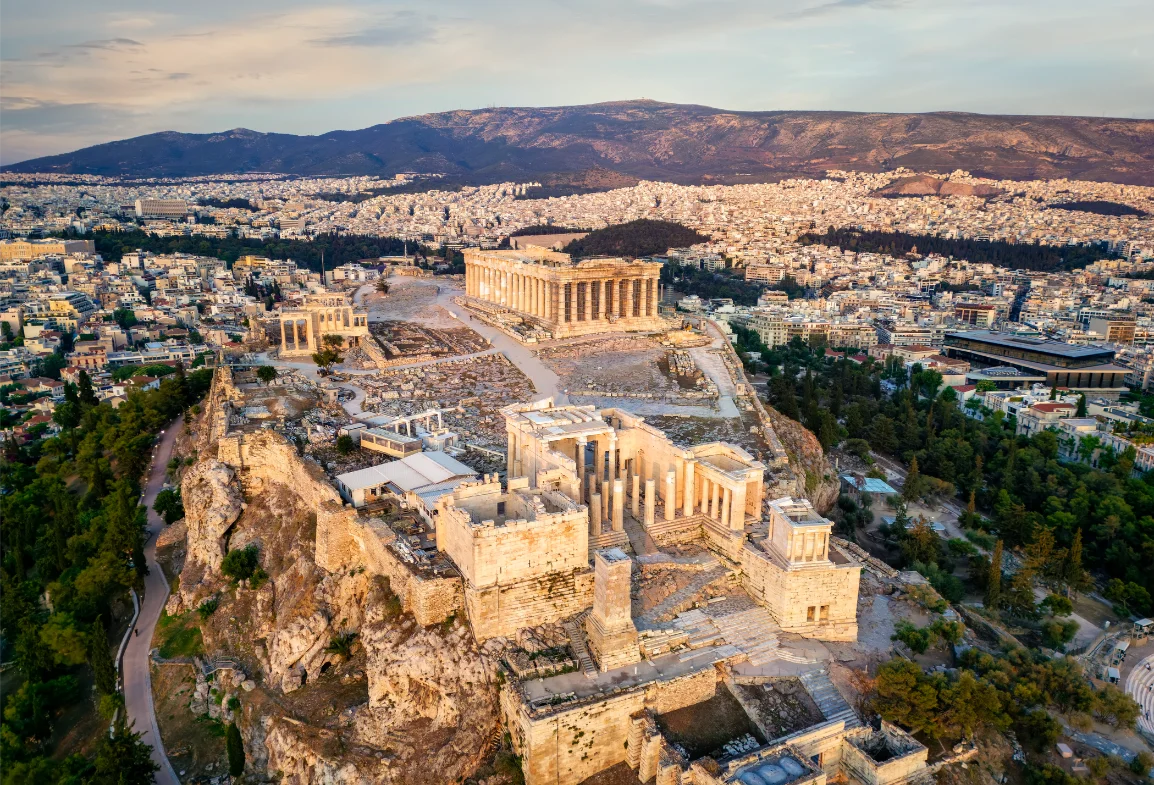
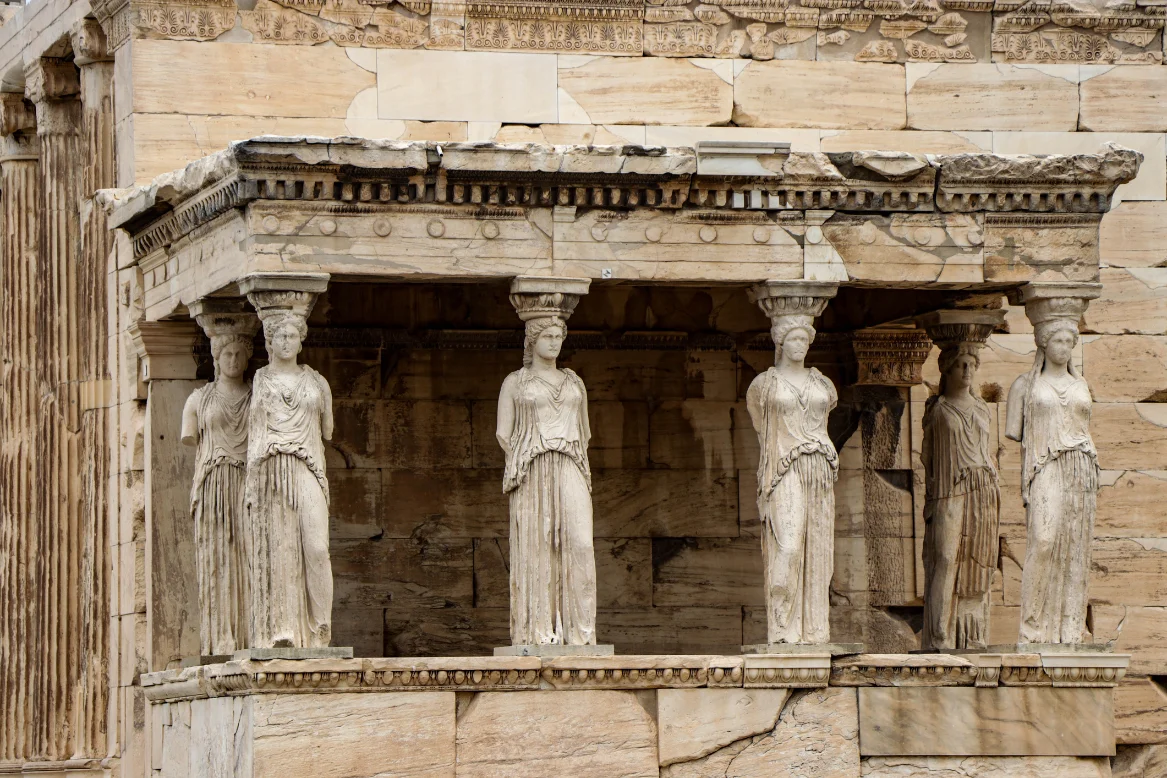
During your visit to the archaeological site, you will have the opportunity to admire:
- The Propylaea, the monumental entrance to the Acropolis with six Doric columns, designed by the architect Mnesicles.
- The Parthenon, one of the most recognisable monuments in the world. Construction of this entirely marble temple, dedicated to Athena, the goddess of wisdom, began in 447 BC under the direction of the architects Ictinus and Callicrates. With eight columns on its short sides and seventeen on its long sides, Parthenon is considered a masterpiece of complex calculations, symmetry and harmony, demonstrating the advanced level of mathematical knowledge in ancient Athens.
- The Erechtheion, the site where, according to mythology, the contest between Athena and Poseidon, god of the sea, took place for the rule of the city of Athens. Poseidon struck the rock with his trident, causing seawater to spring forth, while Athena struck it with her spear, and an olive tree grew. The gods awarded victory to Athena, but the Athenians, wishing to honour both deities equally, dedicated a sanctuary to each beneath the same roof. Thus, emerged this highly distinctive Ionic building, designed by Mnesicles.
- The Temple of Athena Nike, also known as the Temple of Wingless Victory, a small Ionic marble temple, designed by Callicrates between 427 and 424 BC. Inside the temple once stood a statue of Athena Nike, holding a helmet in her left hand and a pomegranate in her right, a symbol associated with the gods of the Underworld.
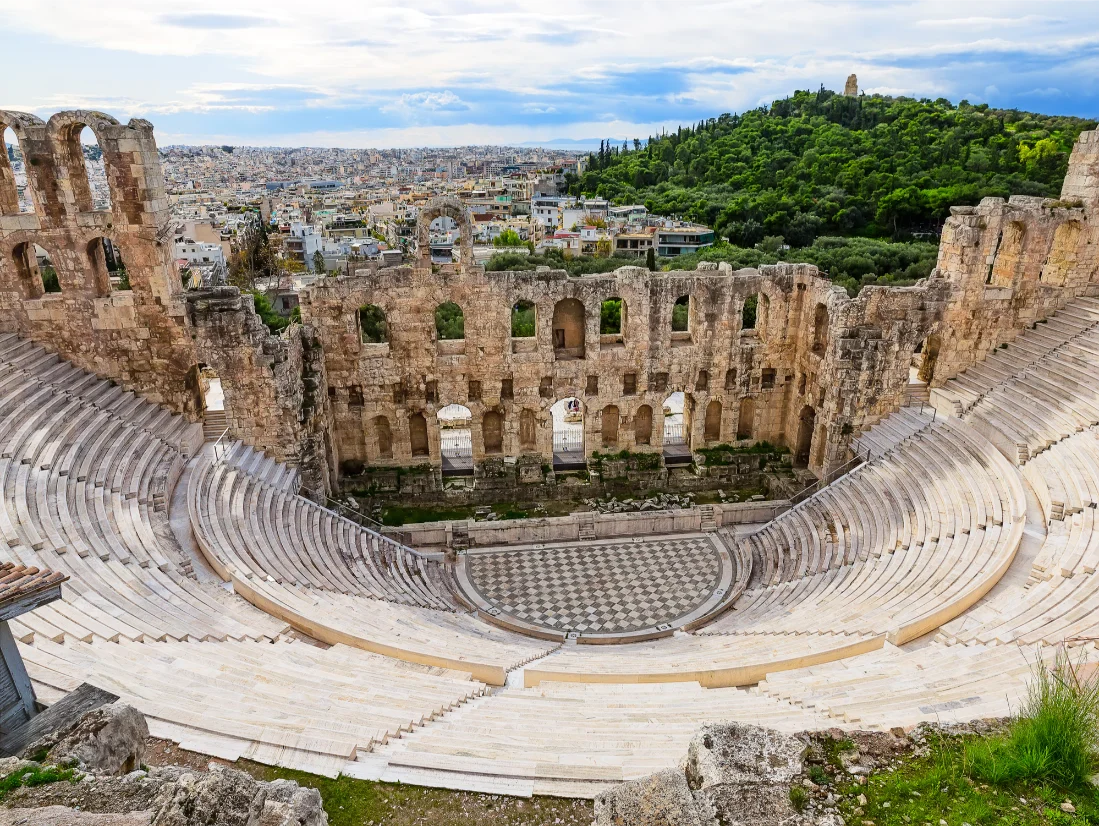
From the Acropolis, you will also be able to see the Odeon of Herodes Atticus, the ancient Roman theater built in 161 AD at the foot of the Acropolis rock. Today, it is one of the most remarkable open-air theaters in Greece, hosting performances, concerts and cultural events.
A day you will remember for a lifetime!
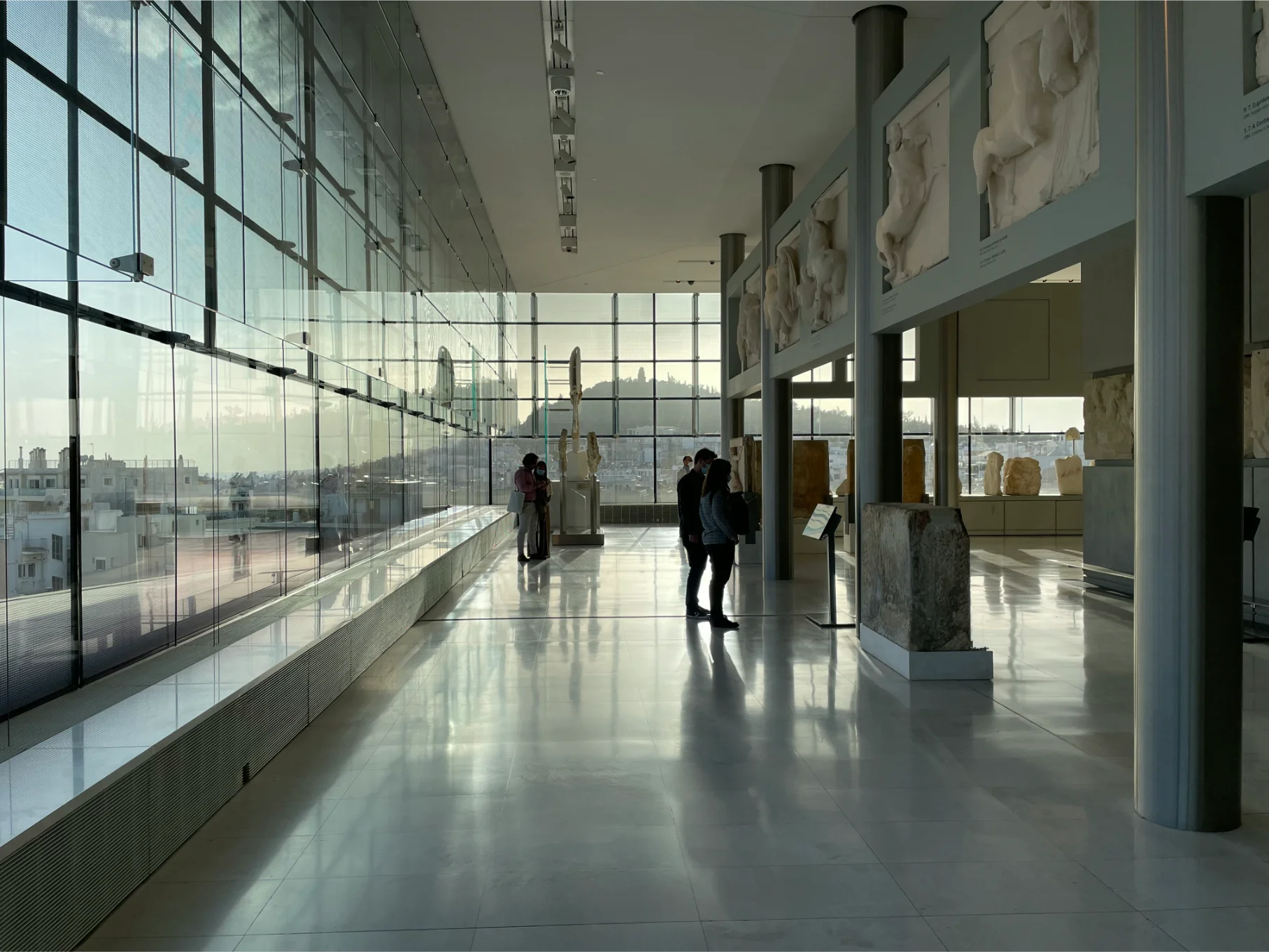
Museum of Acropolis
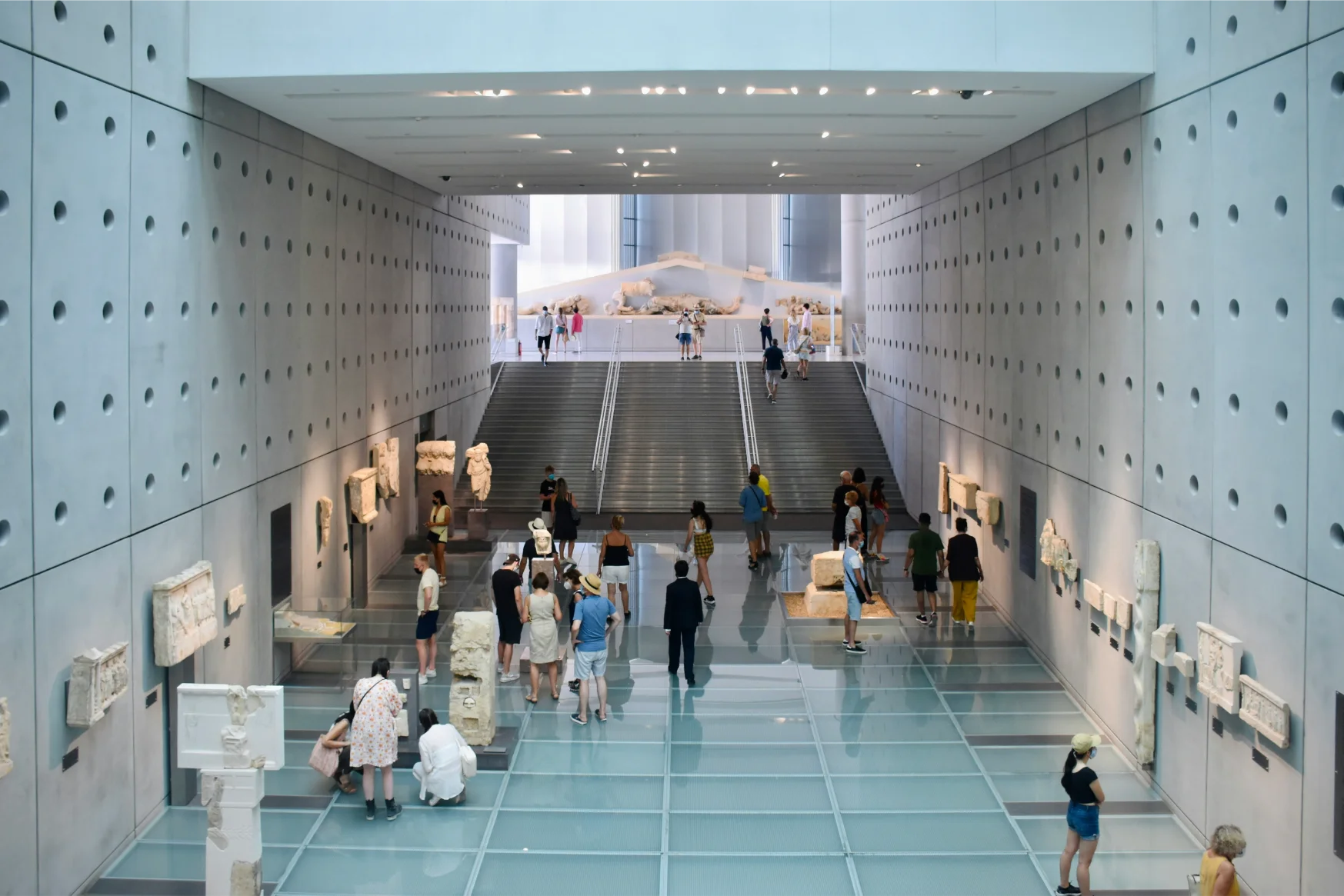
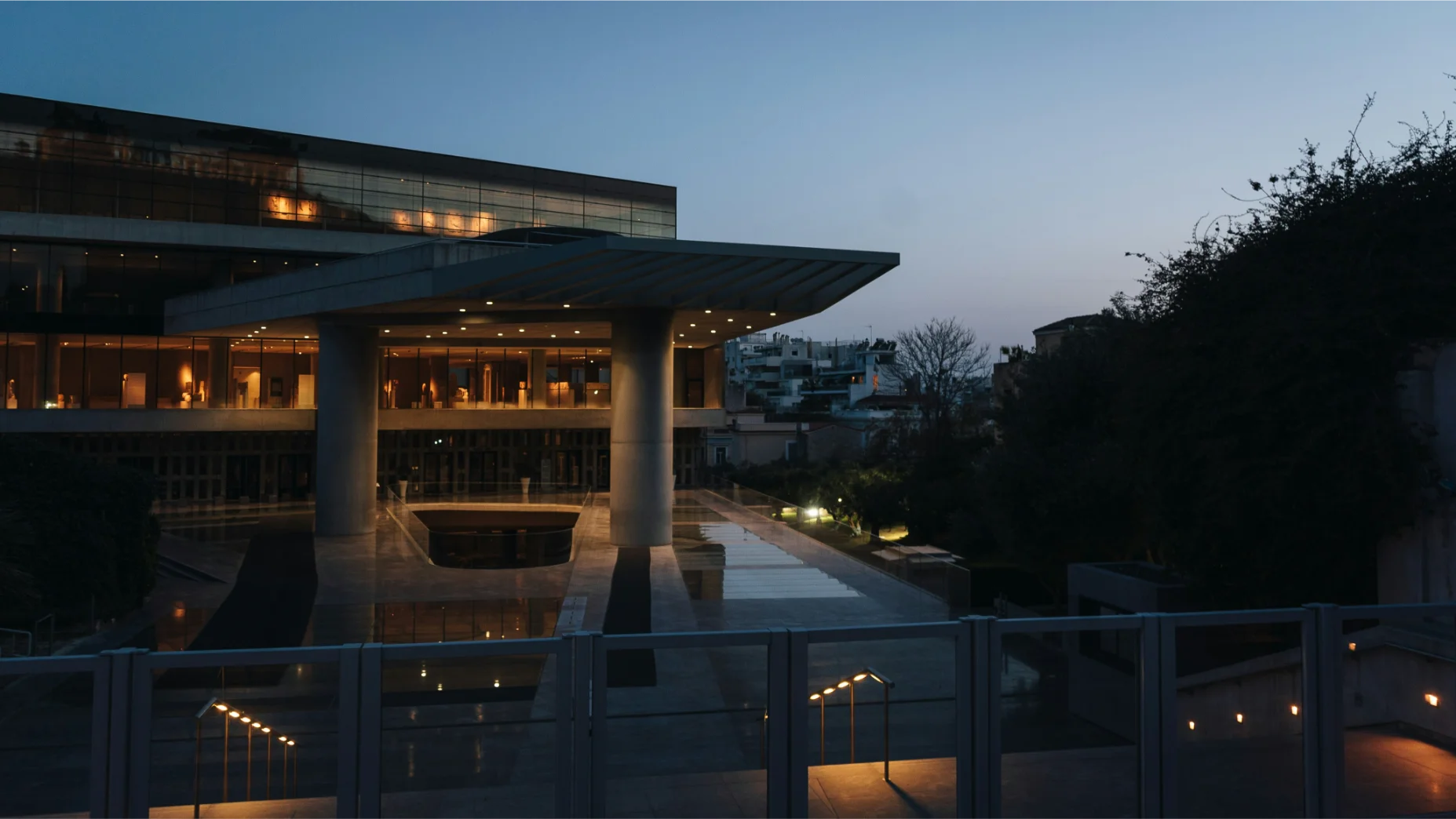
The Acropolis Museum is considered one of the most important museums in the world and the second most significant archaeological museum in Greece, after the National Archaeological Museum. It houses original masterpieces of Archaic and Classical Greek art, all directly connected to the Sacred Rock of the Acropolis, spanning from the Mycenaean period to the Roman and Early Christian eras.
Don’t miss it if you wish to take a deep dive into ancient Greek civilization!
Ancient Agora
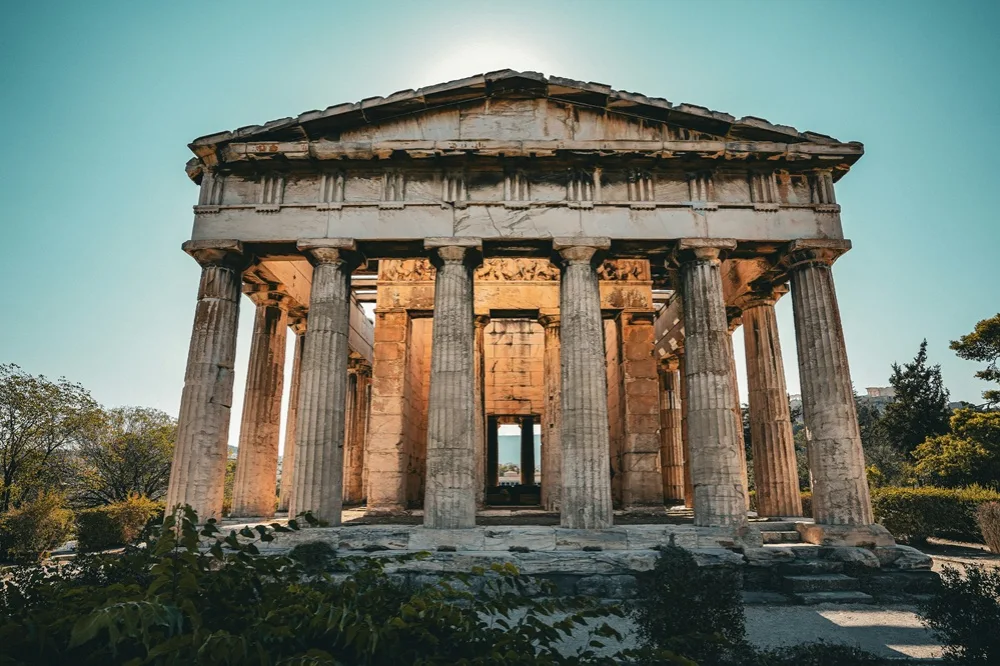
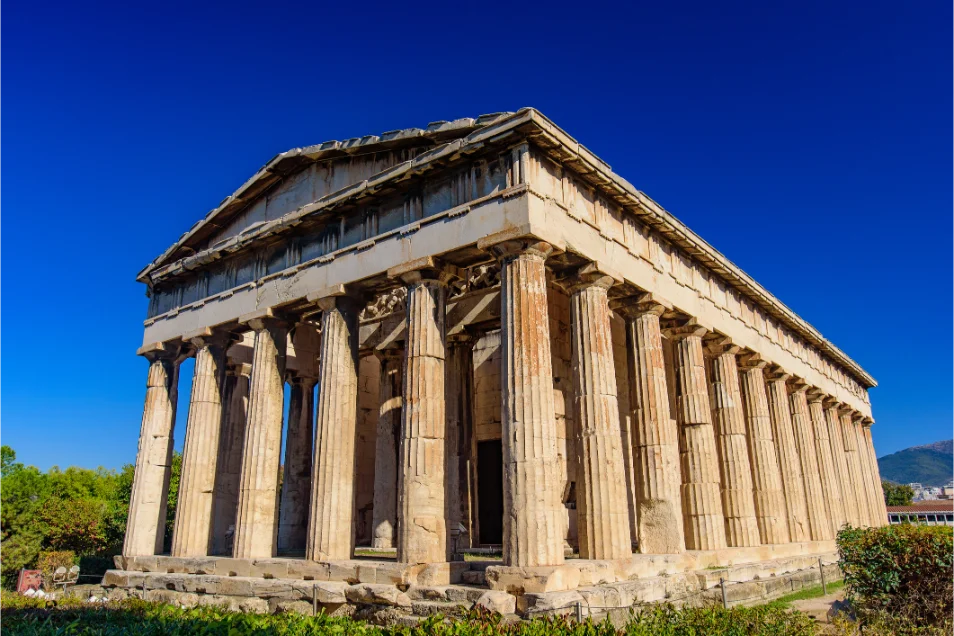
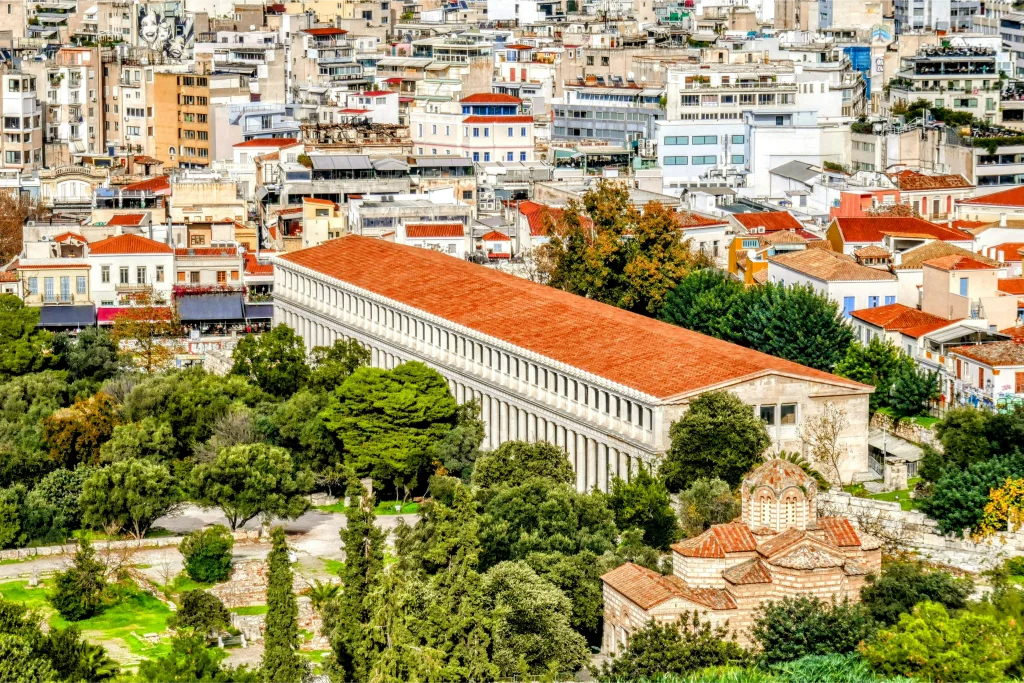
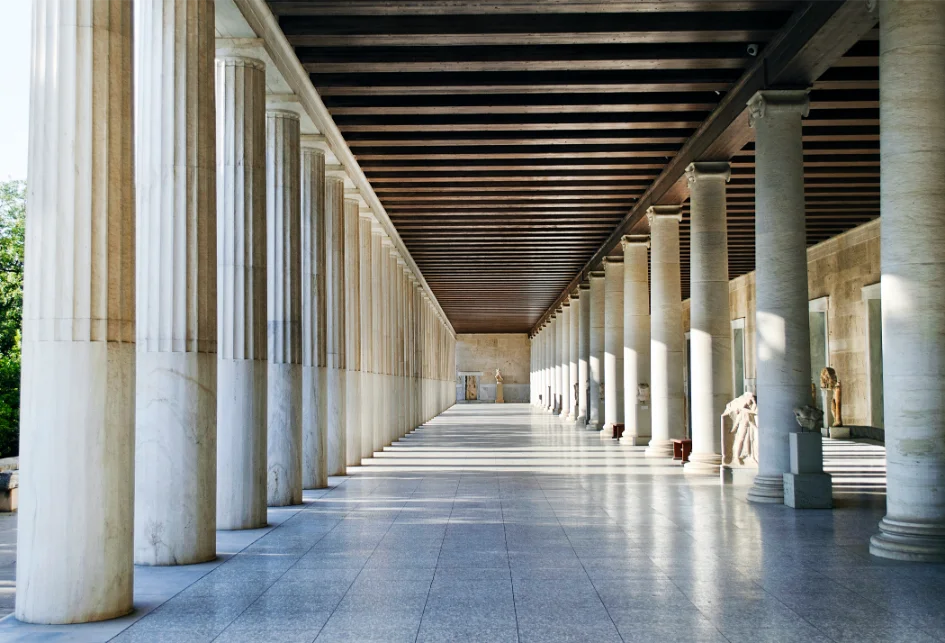
The center of Athenian democracy, philosophy and justice, the Ancient Agora was the main gathering place of the citizens of Athens. During your visit, you will have the chance to see the well-preserved Temple of Hephaistos, dedicated to the god of fire and metalworking, as well as the restored Stoa of Attalos, a donation by King Attalos II of Pergamon, originally built around 150 BCE.
Today, the Stoa of Attalos houses the Museum of the Ancient Agora, offering an insight into Athenian history, trade, culture and daily life.
The Temple of Poseidon
An imposing temple built around 440 BC in honour of Poseidon, the god of the sea, standing at the edge of Cape Sounion, about one hour’s drive from Athens city center. Constructed mainly of white marble, above an ancient temple, the Temple of Poseidon is one of the must-visit landmarks in Attica and a favourite spot for photographers, especially at sunset and during full moon nights, when it truly glows above the Aegean Sea.
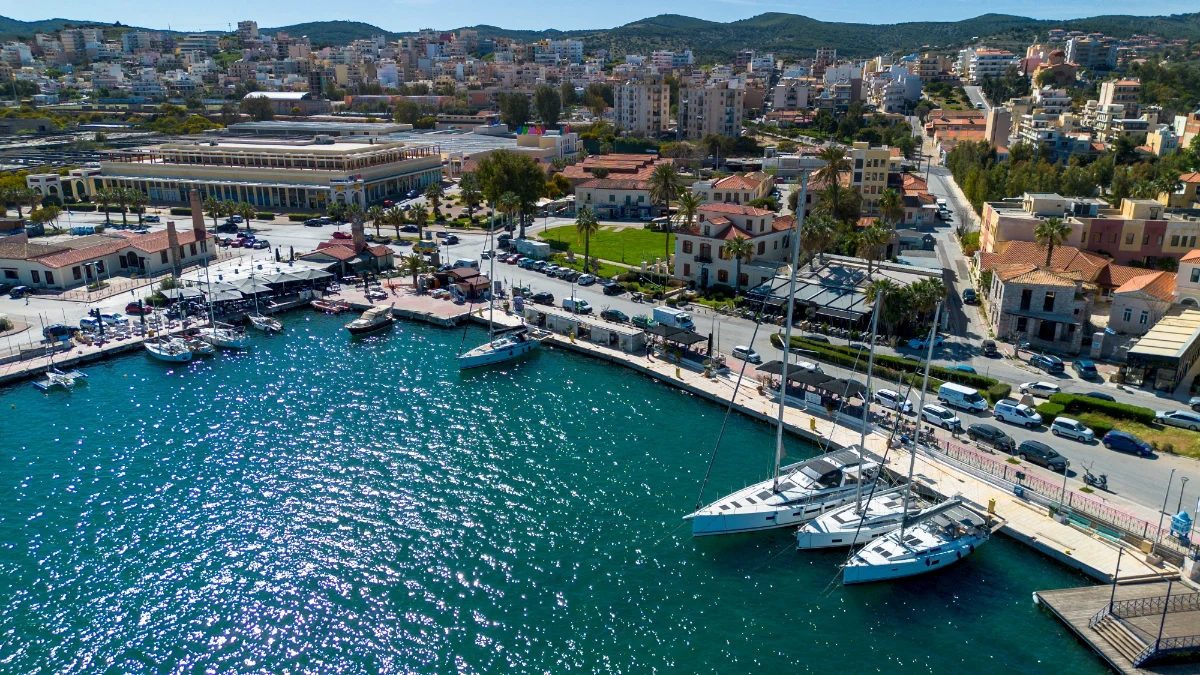
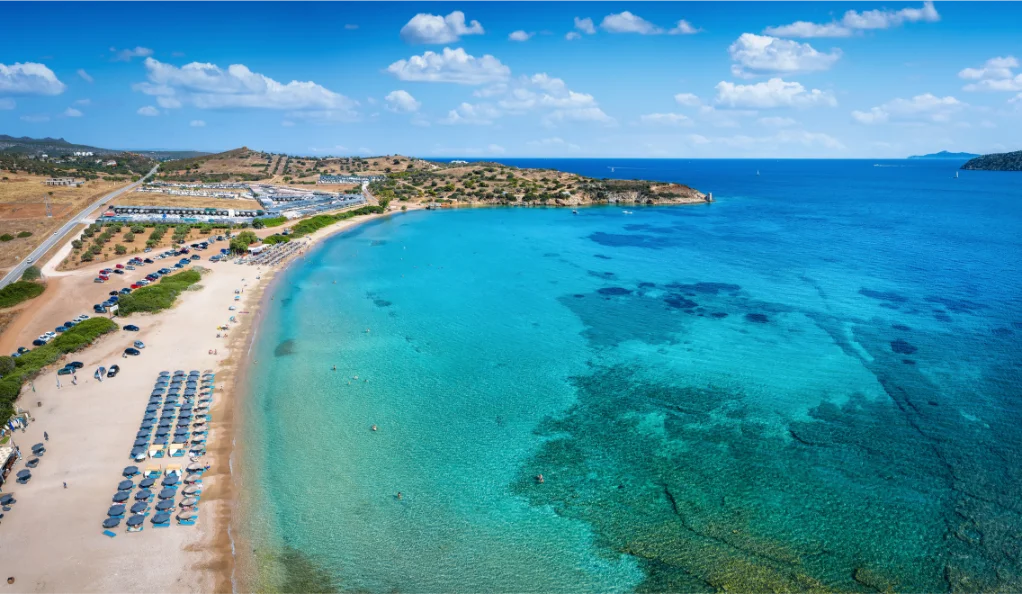
The wider area is also known for its beautiful beaches and crystal-clear waters, while the nearby port of Lavrio is the perfect stop for enjoying fresh seafood by the sea.
Lake Vouliagmeni
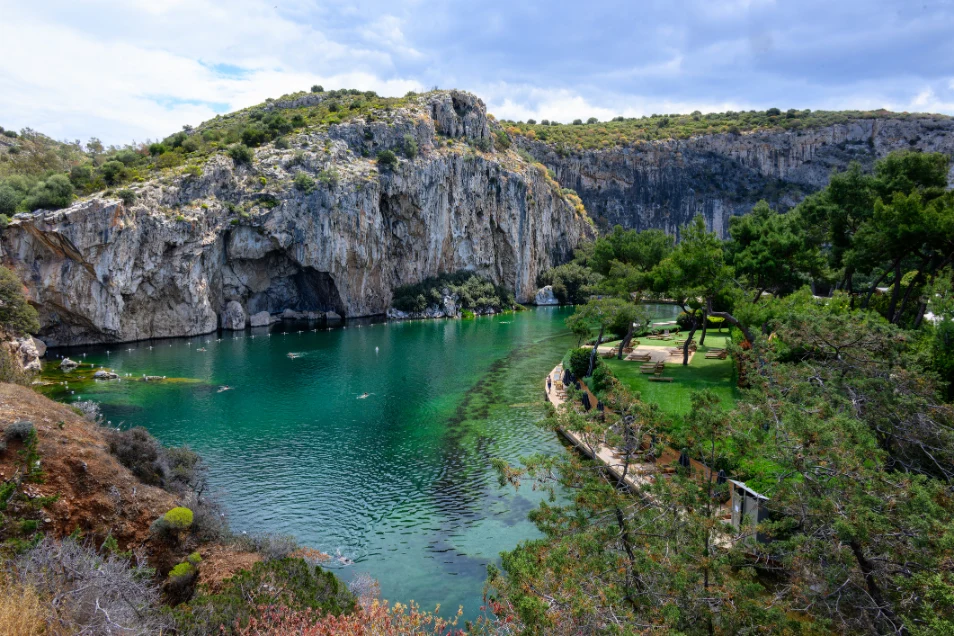
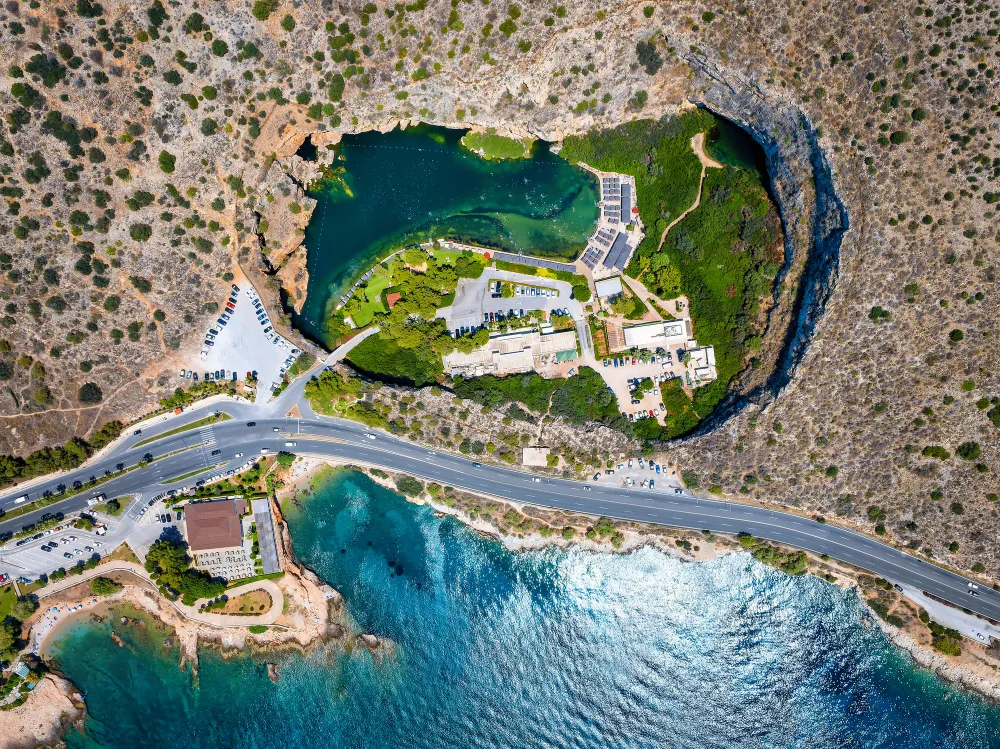
Located in the southern suburbs of Athens, along the Athenian Riviera and just a few kilometers from the city center, Lake Vouliagmeni is a true urban natural paradise!
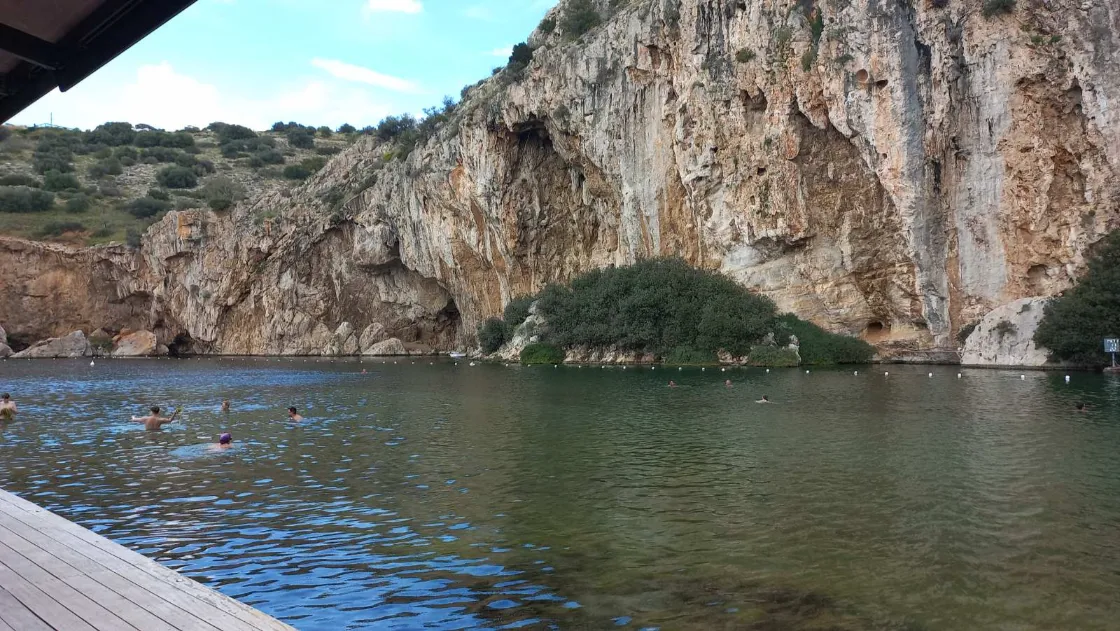
Close to the sea and surrounded by wonderful nature and impressive steep rock formations, the lake is famous for one unique feature: its water temperature remains relatively stable throughout the year (from 22°C to 29°C, depending on the season), making swimming possible all year round.
The lake’s brackish waters are rich in salts and minerals and are known for their therapeutic properties, particularly beneficial for musculoskeletal and certain skin conditions. This rare natural thermal ecosystem is protected as part of the Natura 2000 network.
Lake Vouliagmeni is a well-organised venue, offering changing rooms, showers, sunbeds, a café and a restaurant, providing all the facilities needed for a relaxing day in Athens.
Please note that an entrance ticket is required for swimming in the lake.
Panathenaic Stadium
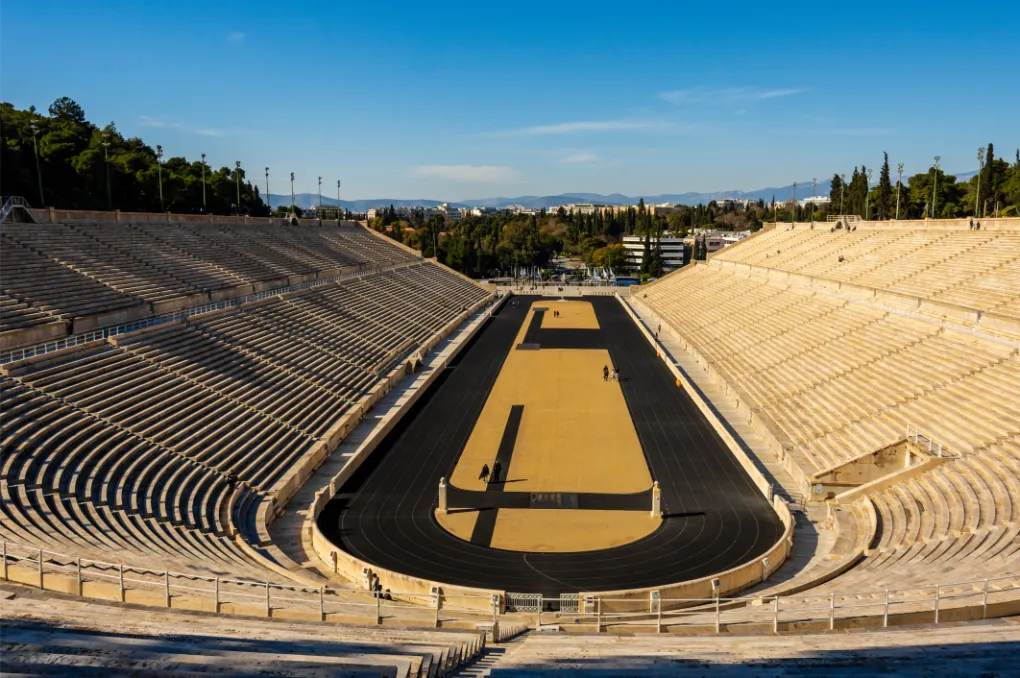
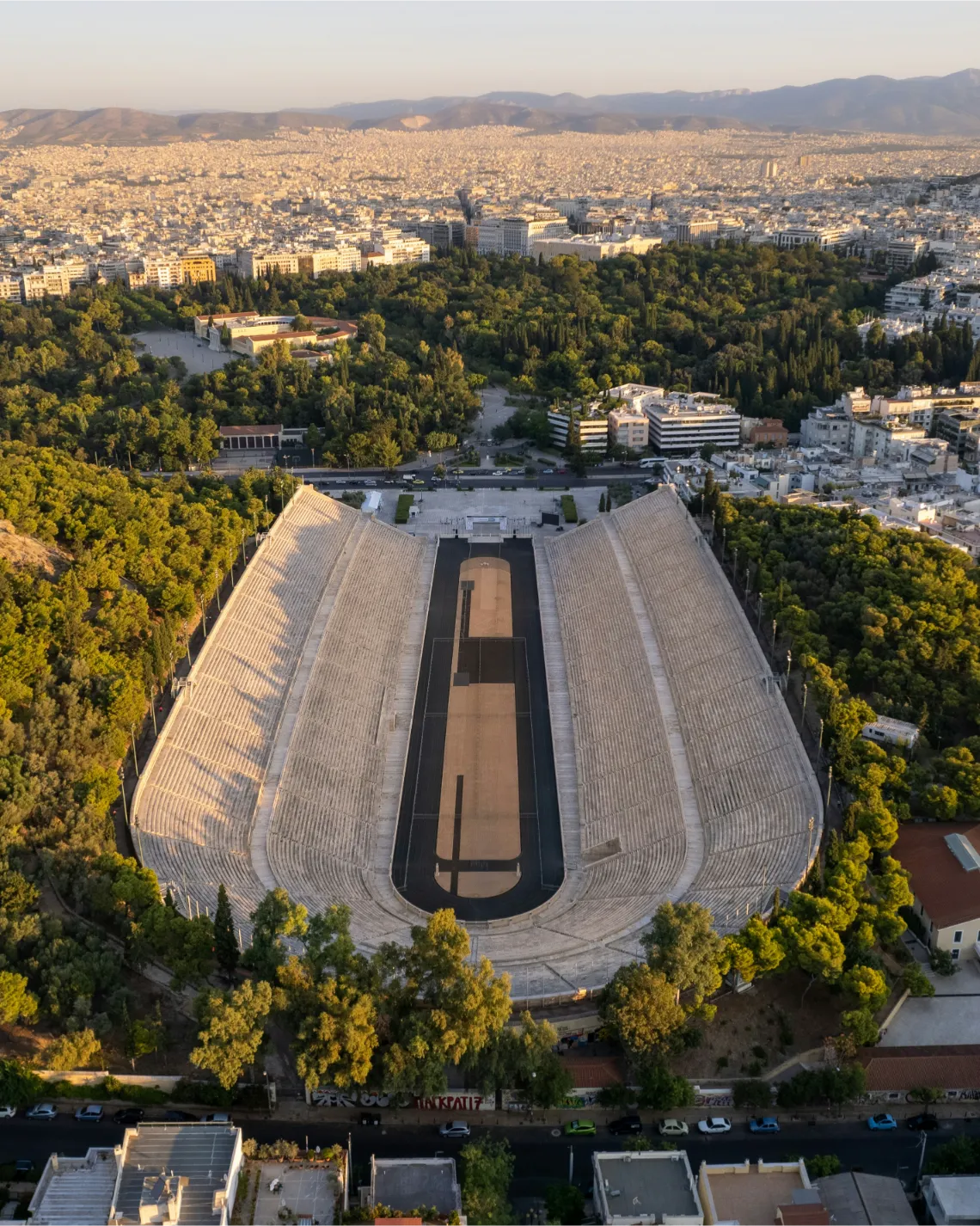
The Panathenaic Stadium, also known as Kallimarmaro, is the only stadium in the world built entirely of marble. Originally constructed in the 4th century BC, it was used to host events linked to the city’s most important celebration, the Great Panathenaia, held in honour of Athena, the goddess of wisdom, strategy, arts and civilization, and the Panathenaic Games.
The stadium hosted the opening and closing ceremonies of the first modern Olympic Games in 1896 and was again used as an Olympic venue during the Athens 2004 Olympic Games. It is the finishing point of the annual Athens Classic Marathon and the starting point of major endurance events such as the Acropolis Rally and the Spartakiada.
Today, Kallimarmaro is also used for cultural events and concerts. A monument of global cultural significance, it stands as a living symbol of both the ancient and modern Olympic Games.
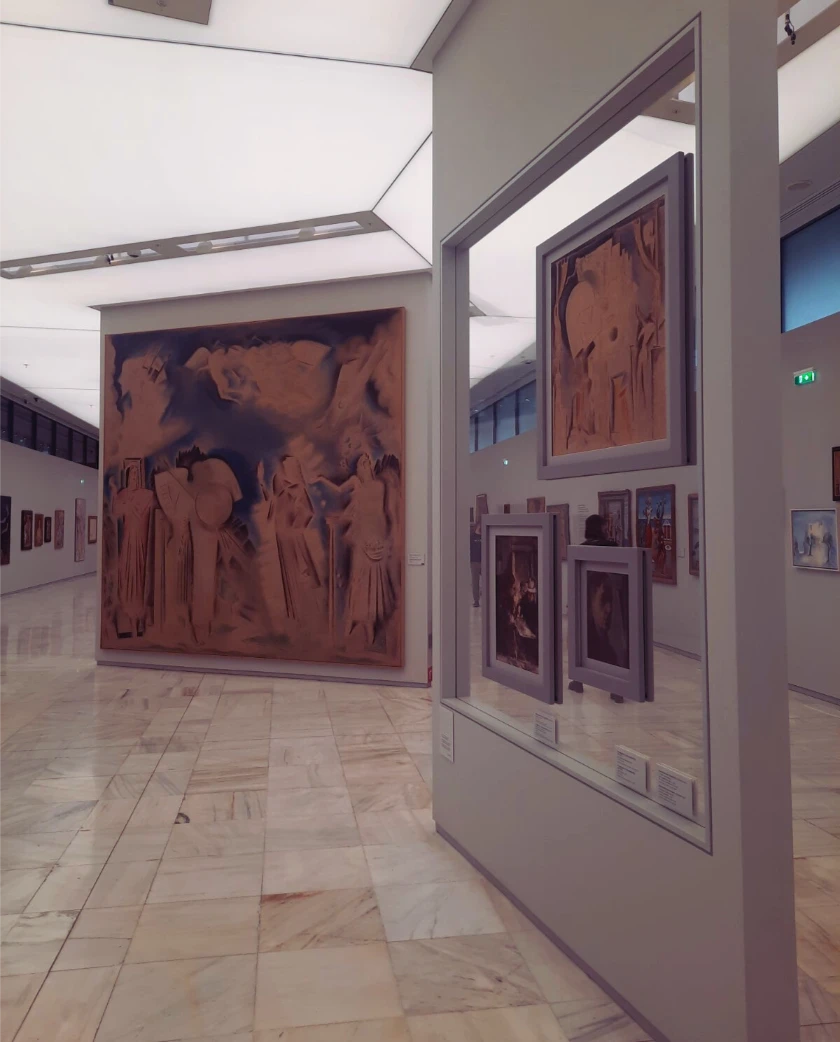
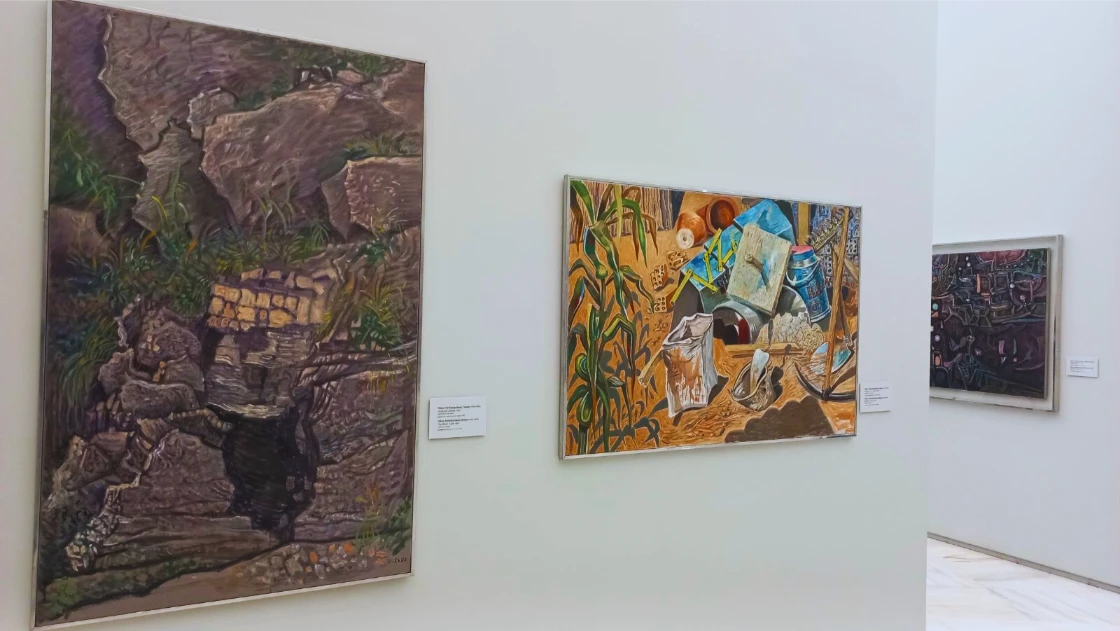
The National Gallery
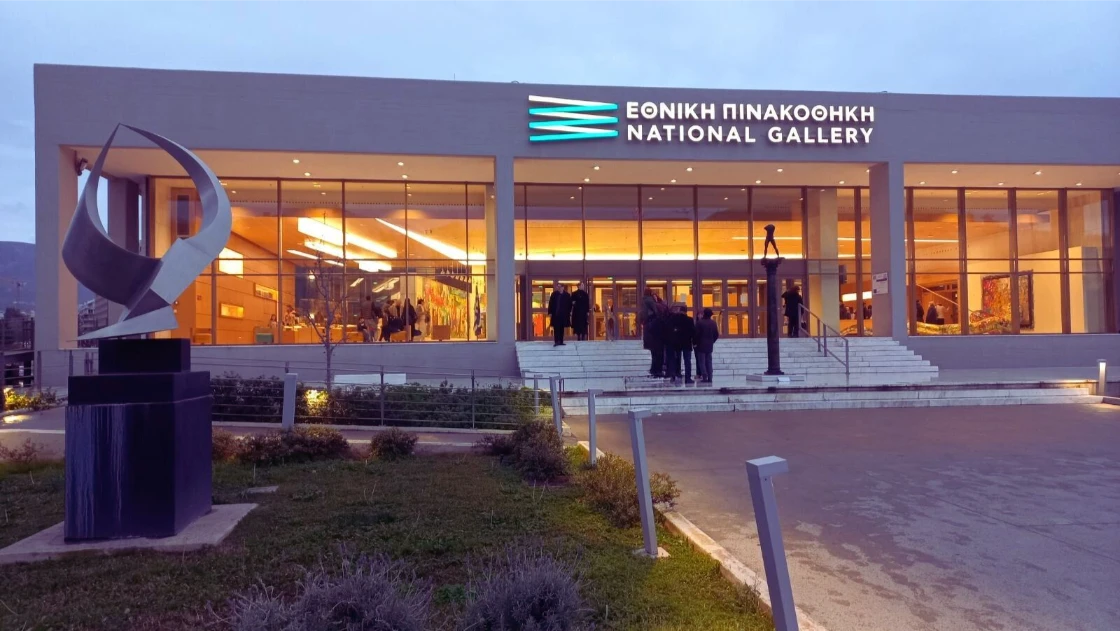
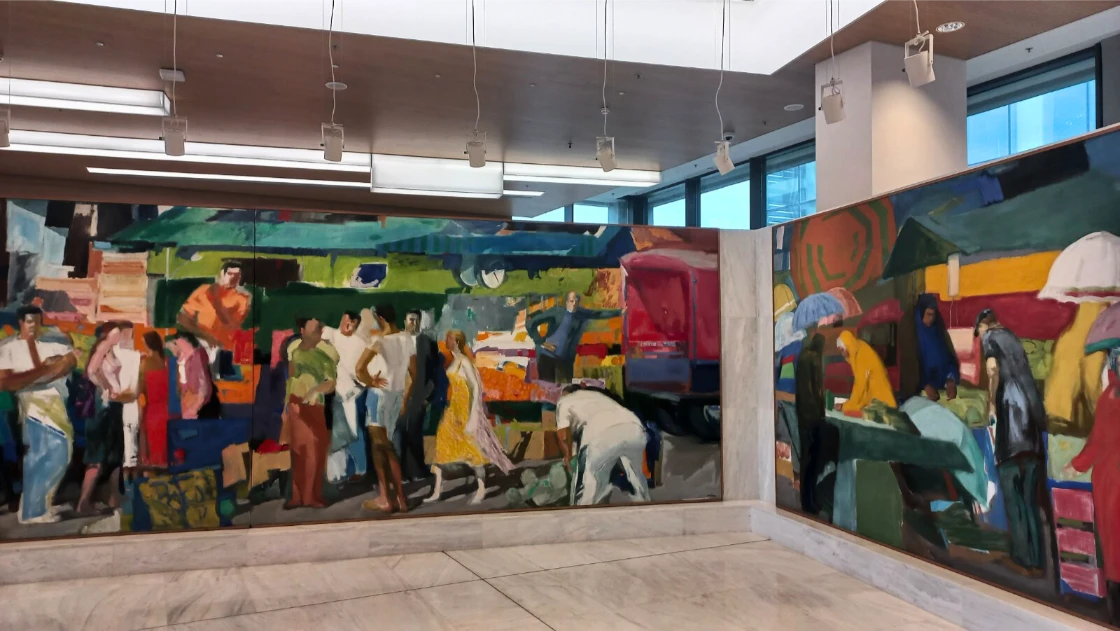
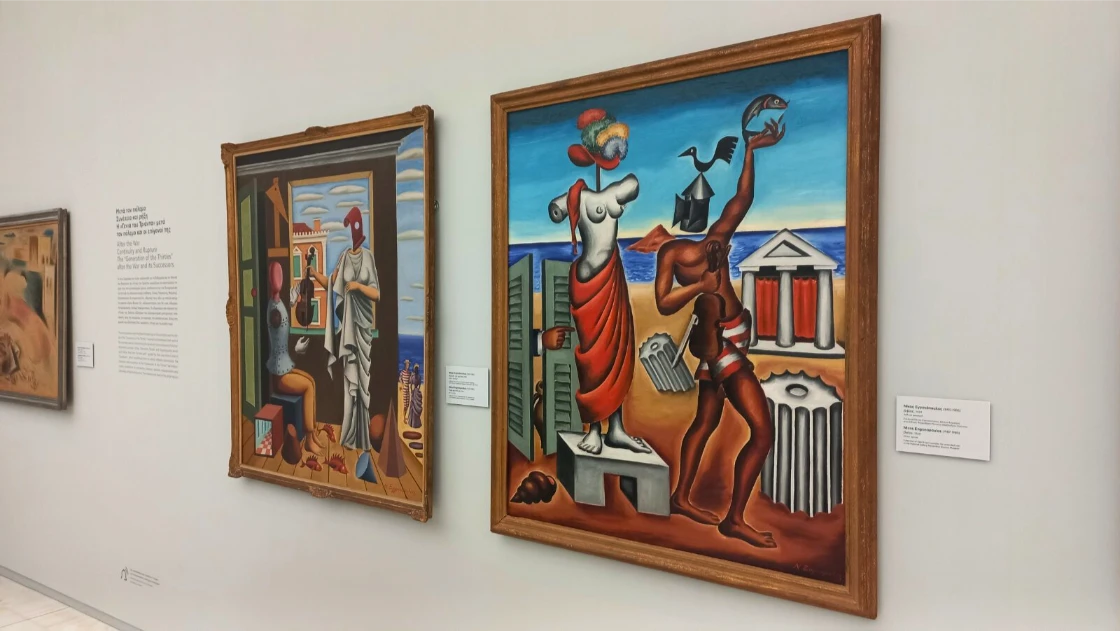
Founded in 1900, the National Gallery is Greece’s leading fine arts museum and home to the largest and most important collection of modern Greek art. Its collection includes over 15,000 works, spanning from the post-Byzantine period and Domenikos Theotokopoulos (El Greco) to renowned Greek artists of the Generation of the ’30s, such as Nikos Hadjikyriakos-Ghikas, Yiannis Moralis, Konstantinos Parthenis, Yiannis Tsarouchis and Nikos Engonopoulos.
The National Gallery operates four branches across Greece – in Sparta, Nafplio, Aegina and Corfu – extending the reach of Greek visual art throughout the country.
The recently refurbished building in Athens is a modern cultural landmark in the heart of the city.

The National Archaeological Museum
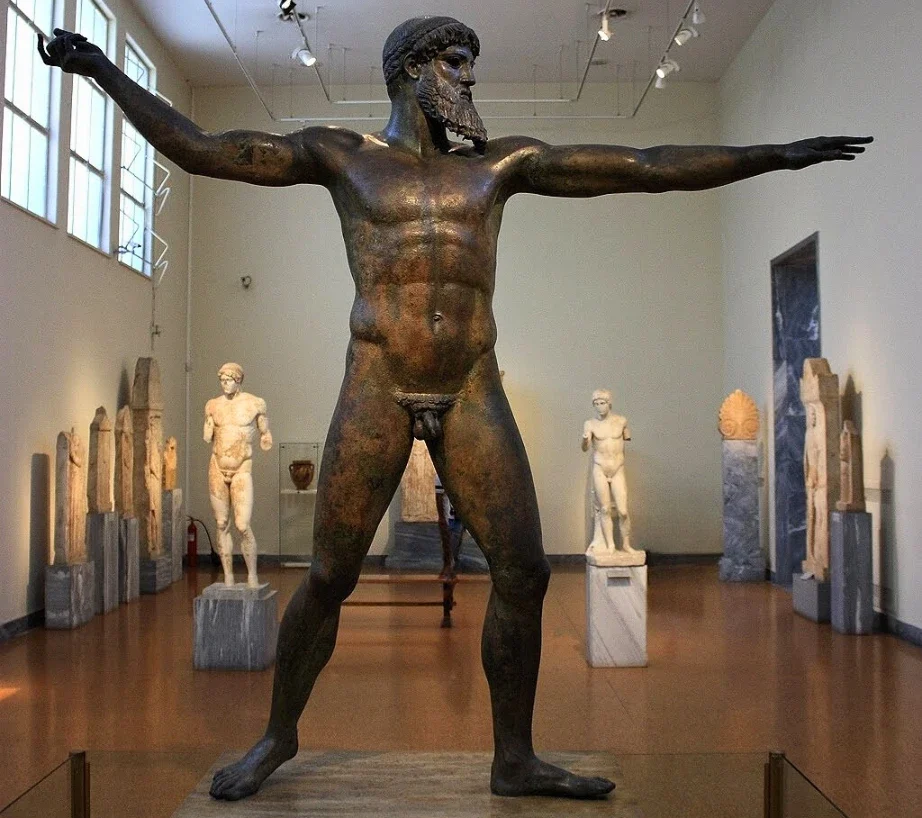
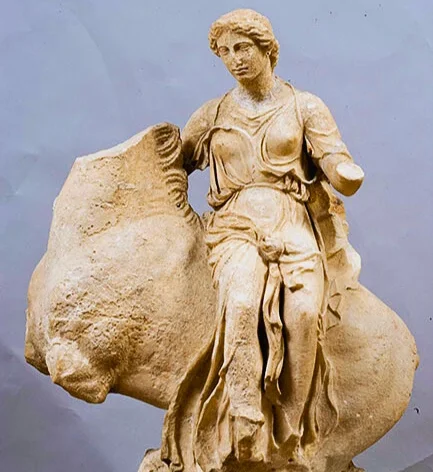
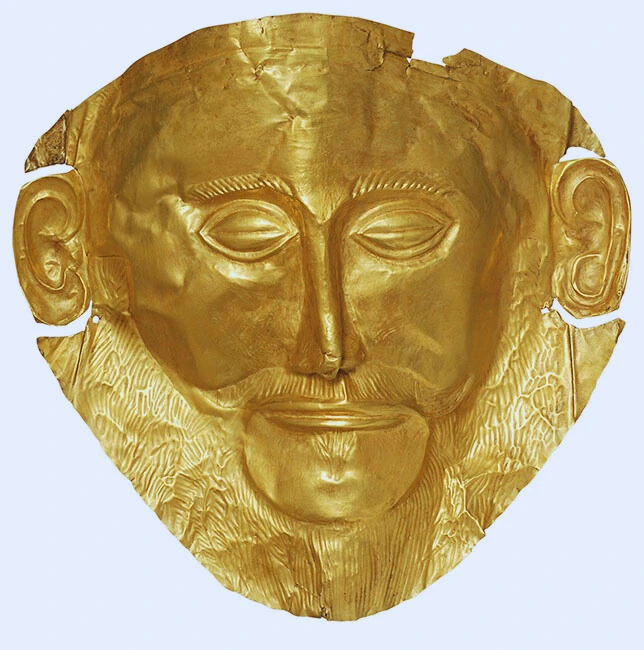
The Hellenic National Archaeological Museum is the largest archaeological museum in Greece and one of the most important museums in the world dedicated to ancient Greek art. It houses over 11,000 artifacts, offering a comprehensive panorama of ancient Greek civilisation, from prehistory to late antiquity. The collection includes finds from a wide range of archaeological sites across Greece, of outstanding historical, cultural and artistic value, also featuring important works of Cycladic and Mycenaean art. A must-visit museum in Athens!
The Athenian Trilogy
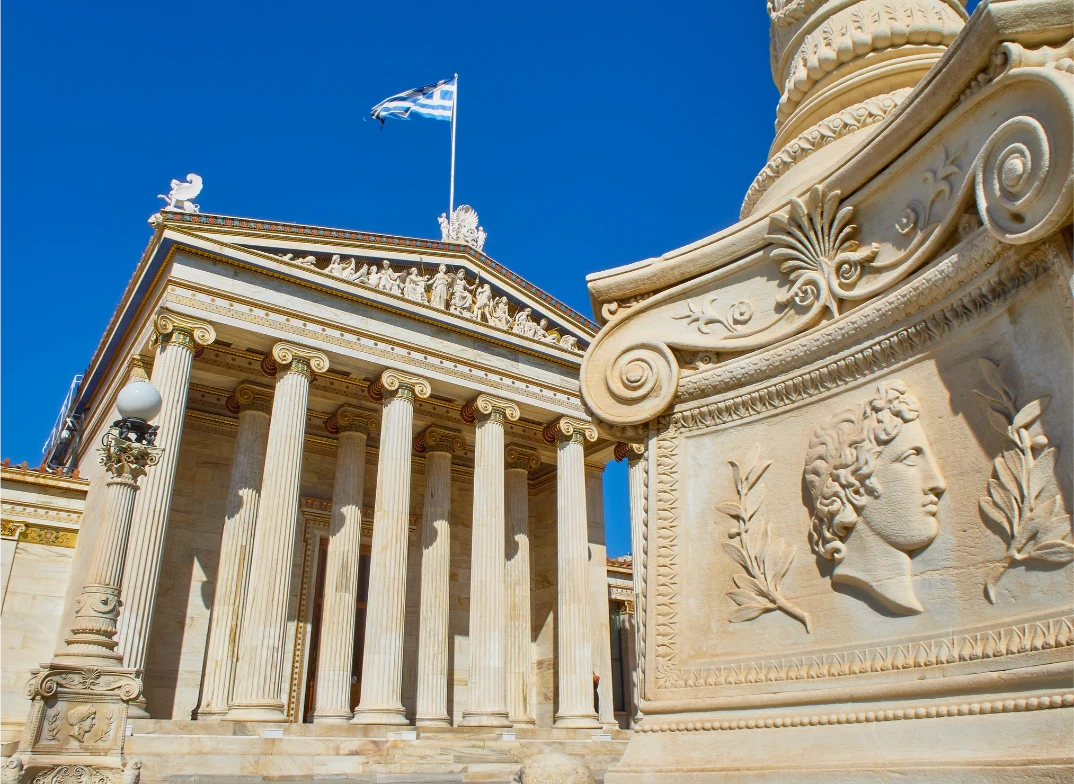
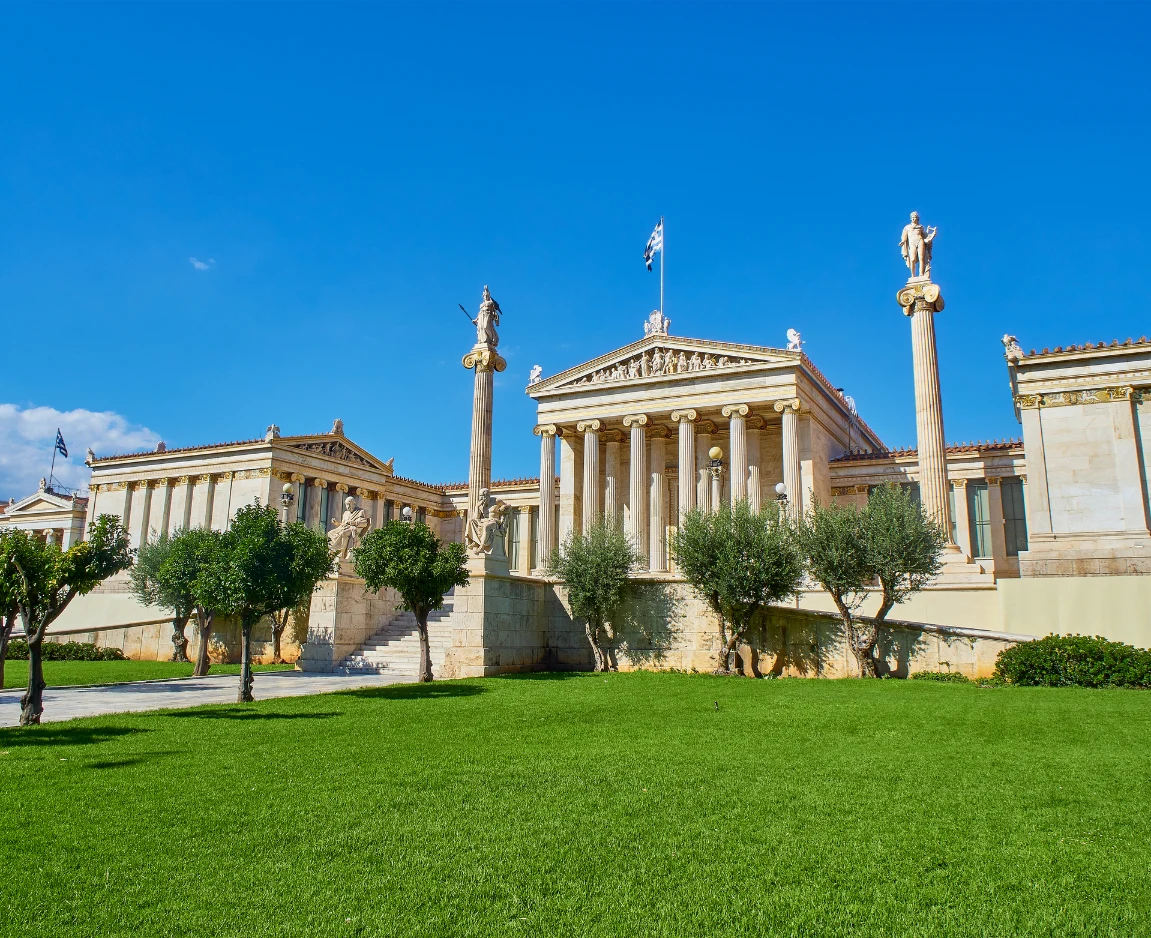
While exploring the center of Athens, take a walk along Panepistimiou Street to discover the so-called Athenian Trilogy: a complex of three 19th-century neoclassical buildings of great architectural and historical significance, designed by the Danish architects Theophil and Hans Christian Hansen.
These iconic buildings are the Academy of Athens, renowned for its Ionic style and the statues of Socrates and Plato, the National and Kapodistrian University of Athens, built between 1839 and 1864 and recognised as the first university in Greece and the Balkans, and the National Library, of Doric architecture, completed in 1902 under the supervision of Ernst Ziller.
Three buildings that symbolise the European ideals of knowledge, education and progress.
Included in the tour package:
- A comprehensive day-by-day itinerary for your road trip
- Detailed travel information, local tips and recommendations for attractions, outdoor activities and hiking trails
- Accommodation
- Breakfast
- Car rental with unlimited mileage and two authorised drivers
- Car insurance with full damage waiver
- A personalised Google My Maps with all recommended locations and points of interest pinned - for easy navigation throughout your road trip
- Activities and entrance fees, clearly stated in your trip outline
- Public Liability Insurance
- Taxes and VAT
Not included in the tour package:
- Flights to and from Athens
- Meals (so that you can choose the restaurants and flavours you really like – we would be happy to recommend some of our favourite places)
- Fuel, toll and parking costs
- Climate Resilience Fee per room per night - collected upon departure from the hotel
- Prices are per person and are indicative, based on a trip for two in 2026. The estimate includes an economy-class rental car, accommodation in hotels up to 3 stars, and travel during the mid-season (e.g. May, October, November). Rates reflect current service costs, applicable taxes, and other relevant pricing factors.
Reviews
We combined three different destinations, including Athens, into one single journey, which would have been very hard to plan on our own. Thank you Wanderlife team for the detailed itinerary!! – Takis N.
Perfectly planned itinerary and great hotel choices. Everything went smoothly! Highly recommended. – Dimitris Nt.
Book Your Next Adventure
You are just 6+1 steps away from your next self-drive adventure:
1. Choose your preferred destination and travel dates.
2. Answer a few short questions about your interests and hobbies.
3. Get an overview of the trip highlights, attractions, activities and final cost per person based on your preferences.
4. Pay a deposit of 30% of the total amount and sign the contract.
5. Book your flights.
6. Receive a complete, customized travel program/itinerary with key information about all the places, beaches, villages, attractions and interesting spots you will encounter along the way, upon completing the full payment.
6 + 1. Get ready for the ultimate self-guided road trip in Greece!